
Staying cool indoors using natural airflow
How to cool down without AC
On scorching days when the sun feels like it is sitting right on your shoulders, I like to imagine myself as an old wandering traveler who has learned to outsmart heat with nothing but simple tools and patience. You do not need fancy machines to find comfort. You just need to understand how your body behaves when temperatures climb. Too much heat puts strain on your brain and organs, and even though sweating is the built in cooling method, it cannot always keep up. When heat and humidity rise together, trouble follows in the form of heat cramps, heat edema, and even heat stroke.
Fortunately, a few thoughtful habits can nudge the temperature in your favor. Here are practical ways to cool your home and body without relying on an air conditioner.
Stay hydrated
The first rule of survival in the heat is moisture. Drink water regularly, because your body cannot cool itself without enough fluid. The temperature of the drink does not matter. Your body will warm it quickly, so what counts is simply getting enough of it.
Take a cold shower or bath
A cold shower works like an instant reset button for your core temperature. If you want an extra refreshing jolt, try peppermint soap. Its menthol sends signals that make your senses believe you are cooler than you are.
Use cold washcloths on your neck or wrists
Cooling your pulse points helps drop your temperature fast. A chilled washcloth or ice pack on your wrists or draped around your neck can make a noticeable difference.
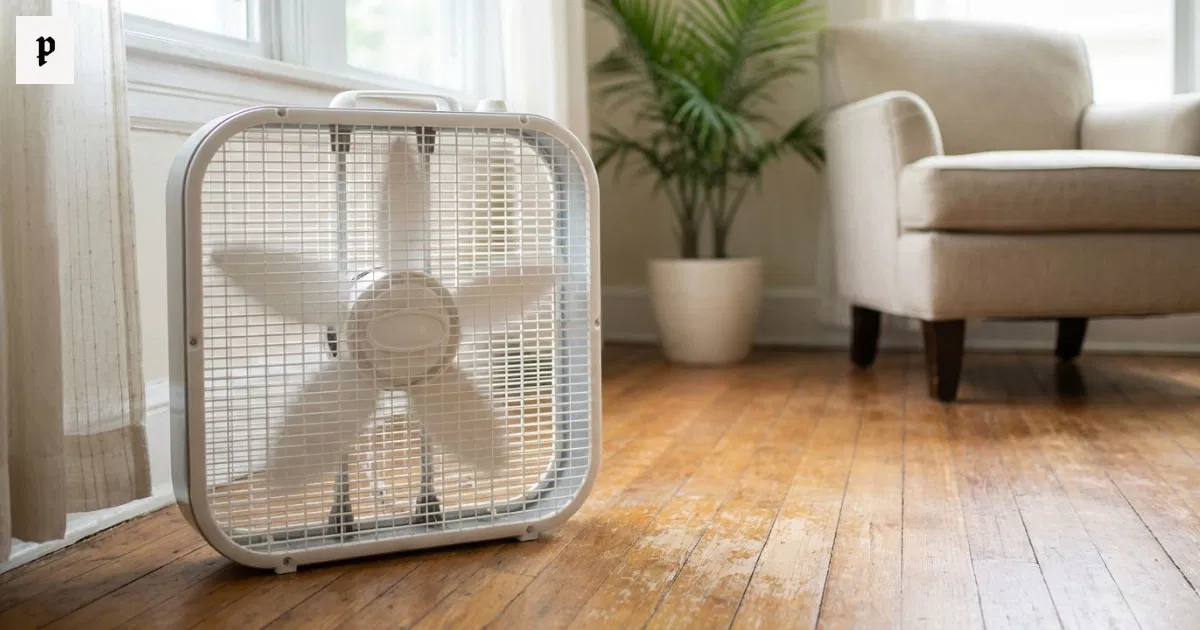
Use box fans
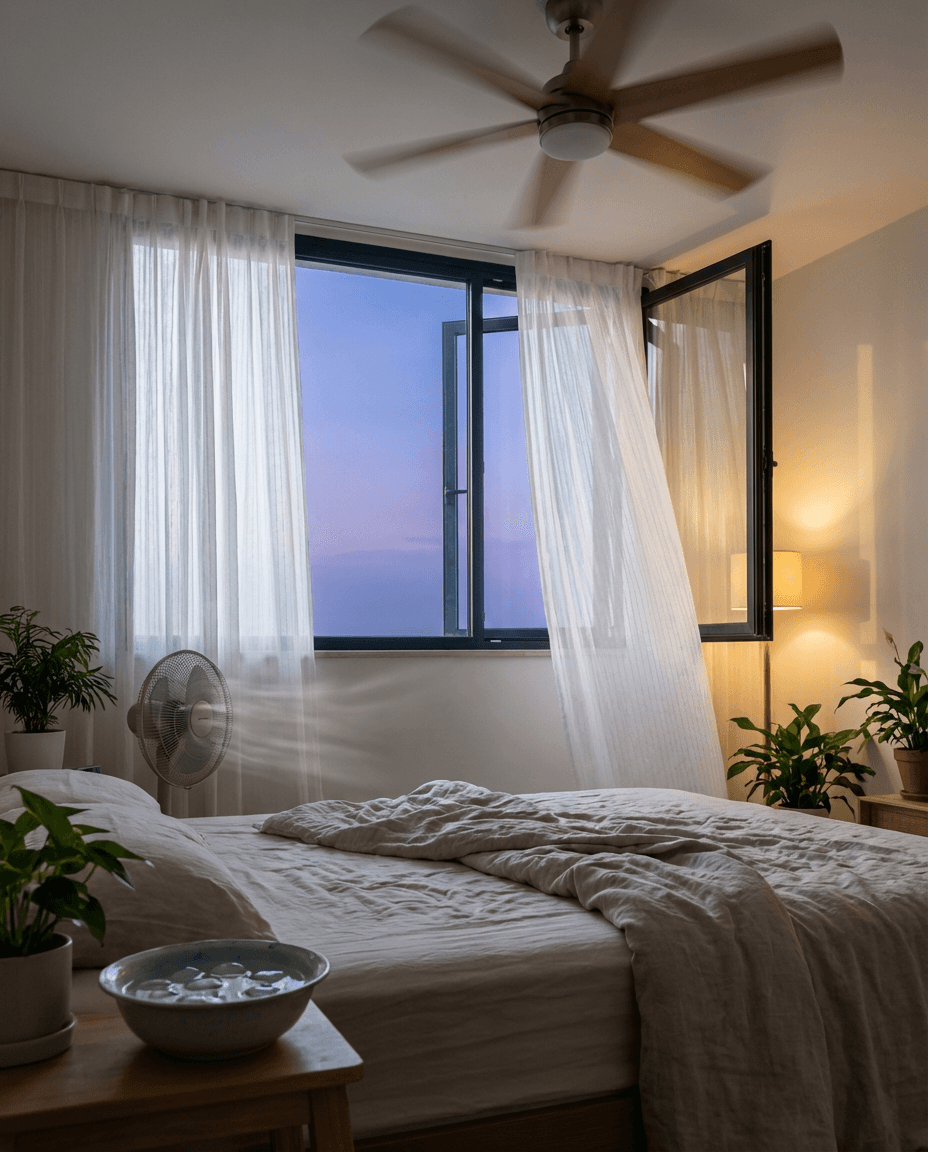
I have spent many evenings positioning box fans like loyal helpers to chase hot air out of the house. Aim them outward through windows to pull heat away. If mornings and evenings offer cooler outdoor air, open windows on opposite sides of your home to create a cross breeze. Close the windows once the sun returns so you trap the cooler air inside.
Simply resting near a fan also helps lower your body temperature.
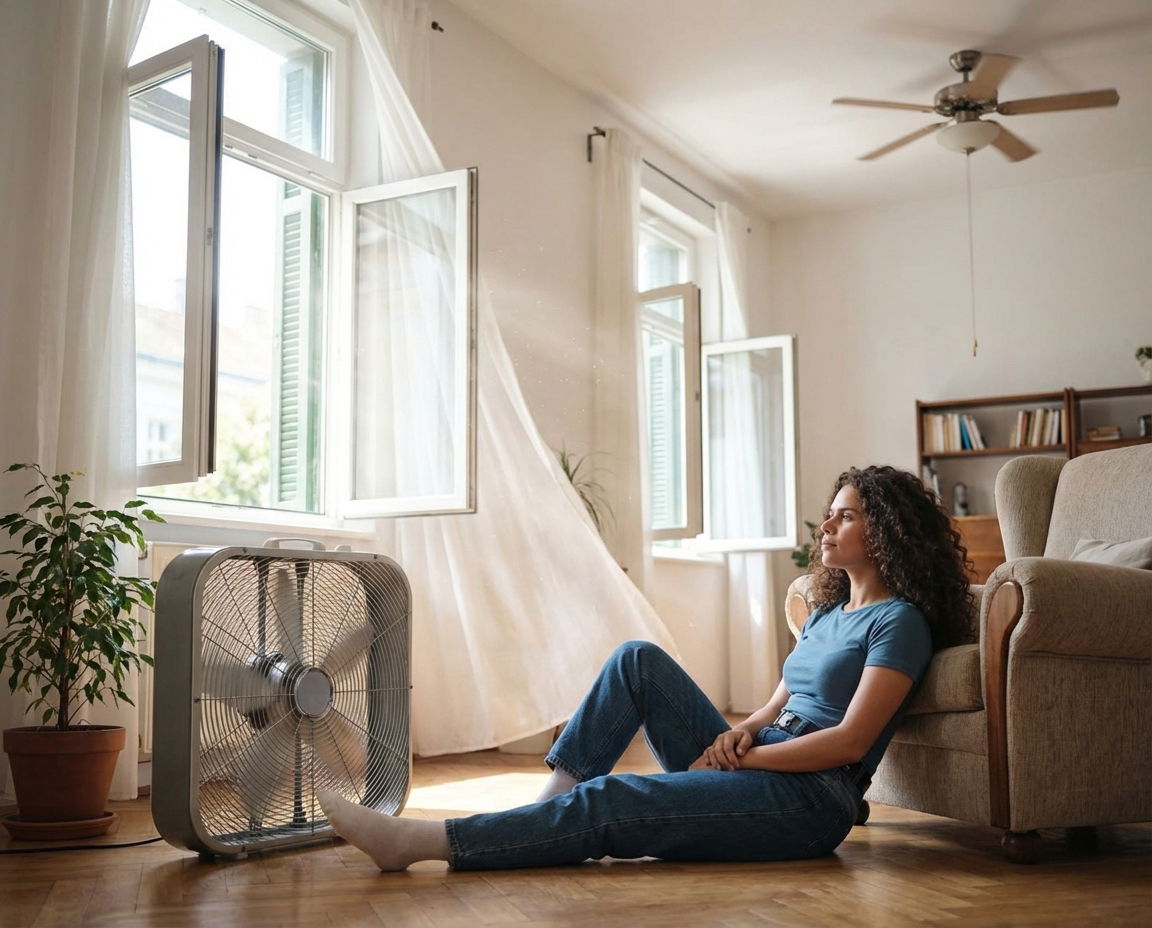
Creating airflow with fans and open windows
Close your curtains or blinds
When sunlight pours directly into your windows, your rooms warm up quickly. Keep curtains or blinds closed on sun facing windows through the hottest hours. Blackout curtains can boost insulation and help limit heat buildup. If you do eventually turn on an AC unit, avoid setting it below 70 degrees to prevent overcooling and energy waste.
Sleep in breathable linens
Choose cotton sheets with a lower thread count for nighttime comfort. They allow more airflow and help you stay cooler as you sleep.
Sleep in the basement
Heat rises, so the coolest spot in many homes is the basement. If your bedroom feels unbearable at night, set up a temporary sleeping space on the lower level.
Do not refrigerate or freeze blankets or clothing
It may sound tempting, but chilled fabrics warm quickly and end up leaving you with damp bedding. That moisture can create mold, making the trick both ineffective and unpleasant.
Close the doors of unused rooms
Keep cool air where you actually spend time. Closing off unused rooms prevents cooler air from drifting away.
Use the exhaust fan in your kitchen or bathroom
Turn on the exhaust fans after cooking or showering. They pull rising heat and steam out of your home.
Install energy efficient light bulbs
Incandescent bulbs release extra heat. Switching to LED bulbs reduces that added warmth. Swap them slowly as you find discounts, starting with the areas you use most.
Cook in the morning, with a slow cooker, or outside
Using your oven spreads heat throughout your home. Instead, cook earlier in the day, use a slow cooker, or grill outside to keep the heat outdoors.
Enjoy frozen treats
Ice pops or ice cream can offer a moment of cool relief. Just avoid too much sugar if you are overheated since it can raise your internal temperature.
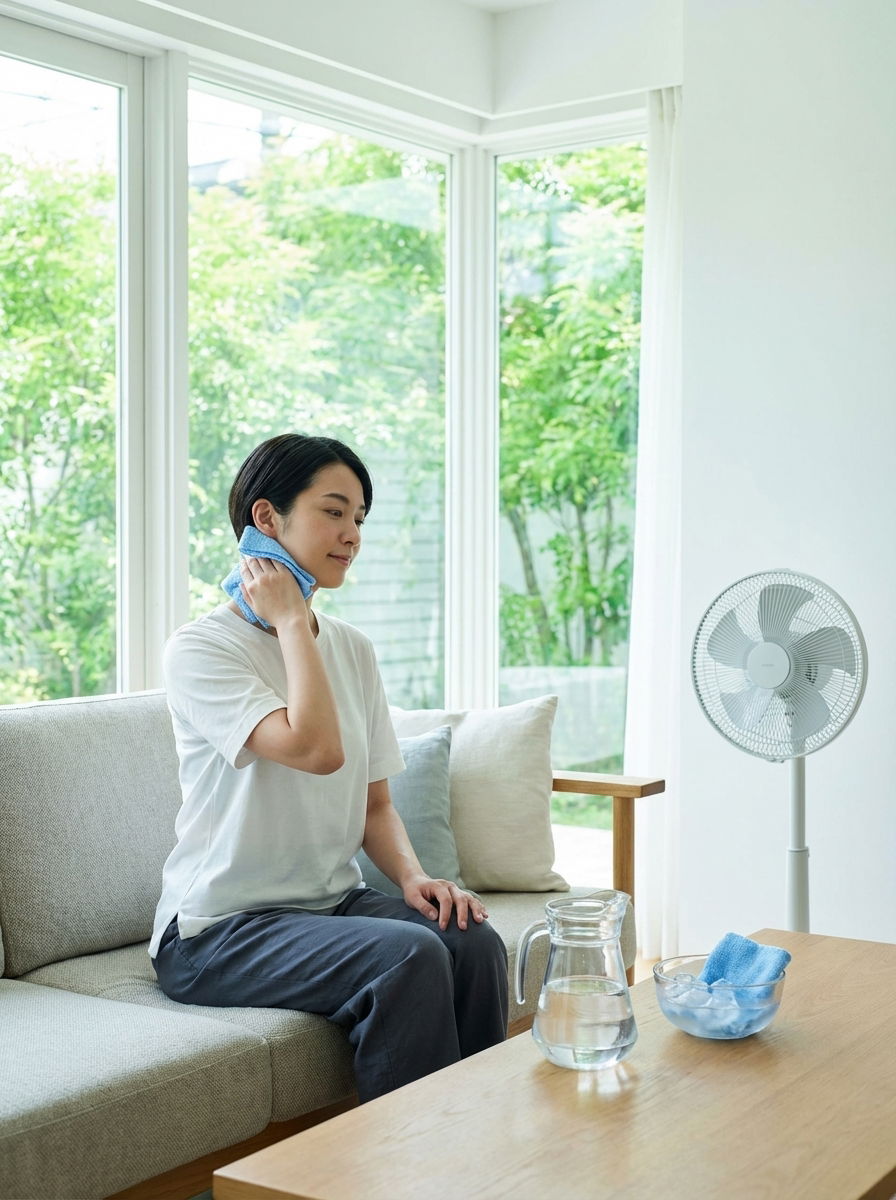
Simple methods for lowering body temperature
Research what your state offers
If the heat becomes overwhelming and home strategies are not enough, look into local programs that may offer cooling assistance or ductless AC units. Some areas operate cooling centers during extreme weather. Your local utility office is a good place to start.