


Willie Walsh in a professional aviation setting.
European Carriers Take the Lead as Industry Pressures Shift
I wandered through the aviation halls of Geneva this week listening to industry chatter, and one theme rang louder than the rest. After years of watching the United States sit comfortably at the top of the global airline performance charts, Europe has quietly slipped back into the number one seat. The shift has not been dramatic but steady, powered by stronger European travel demand and a U S dollar that no longer flexes as it once did.
The changing currency landscape alone has given European airlines a meaningful edge. With half of their major expenses tied to the U S dollar, any softening of that currency acts like a welcome discount. Meanwhile, carriers across the Atlantic face a different story as U S consumer demand shows signs of fatigue under persistent cost of living pressures. The wealthiest travelers still fill flights abroad, but the middle of the market is pulling back.
Even so, interest rate adjustments from the Federal Reserve are not expected to dramatically shift the U S airline market. Most carriers worked hard after the pandemic to repair their balance sheets, leaving only modest sensitivity to future rate cuts. The real story lies elsewhere in the system.
Where the Aircraft Bottleneck Begins
In truth, supply issues continue to trap U S capacity far below what airlines would like to fly. Aircraft makers Boeing and Airbus remain plagued by production challenges, but they are not alone. Engine giants have been a significant source of frustration as well, with Rolls Royce, Pratt and Whitney and General Electric all contributing to delivery delays and maintenance slowdowns.
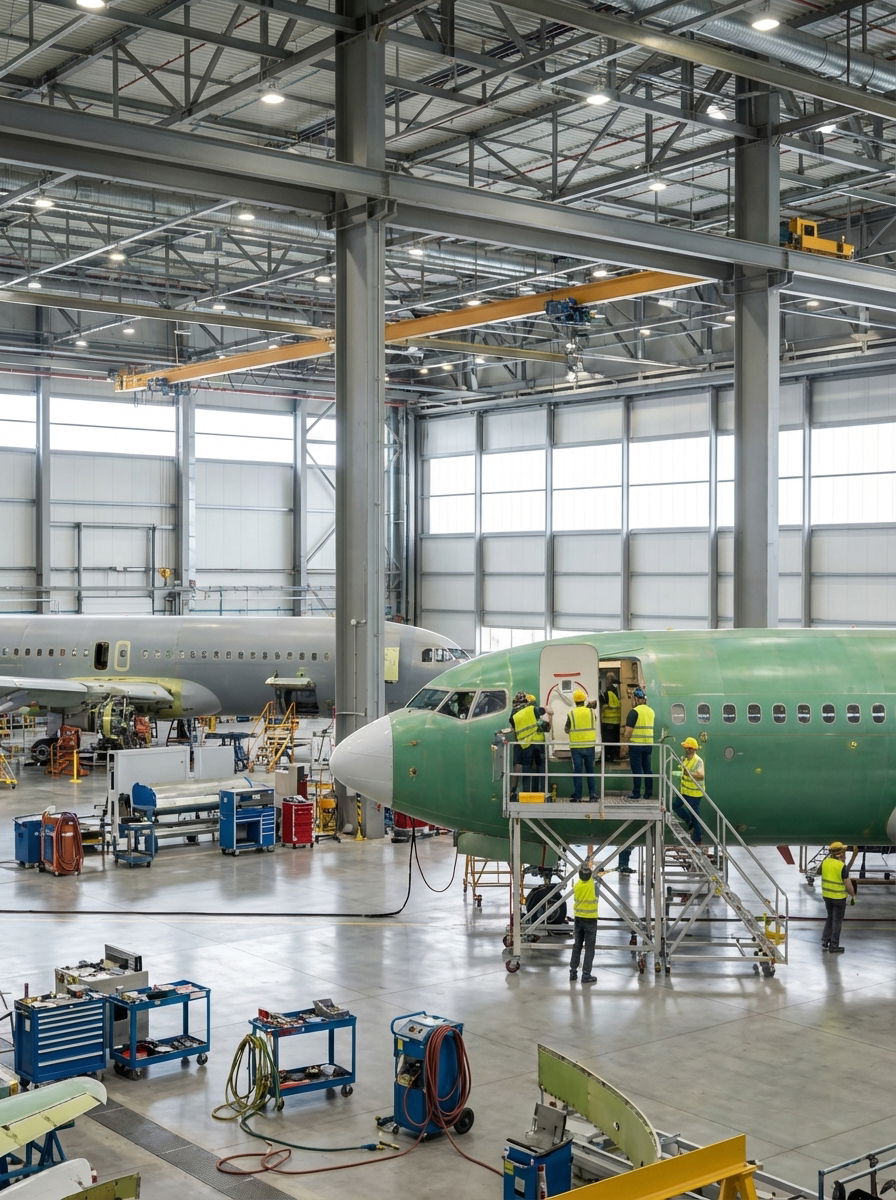
Aircraft manufacturers face ongoing production challenges.
General Electric in particular has reported strikingly high engine margins of 27.6 percent in the first 9 months of this year. Airlines by comparison are navigating margins under 7 percent. This imbalance has become a point of mounting tension. And beyond profits, the very real cost of delayed aircraft looms over the industry. The bill for supply chain disruptions this year alone is estimated at 11 billion U S dollars. Leaders expect these challenges to stretch through 2026 and very possibly into 2027.
The Debate Over Sustainable Fuel Mandates
The conversation around sustainable aviation fuel continues to heat up as well. Industry leaders argue that governments have mandated usage levels far beyond the available supply, driving prices upward and placing financial strain on carriers. Fuel providers in Europe have even added extra fees to standard jet fuel to cover compliance risks. The industry remains committed to cutting environmental impact, but airline executives insist that production must scale before mandates tighten further.
What Travelers Can Expect Next Year
One question passengers always want answered concerns fares. According to industry expectations, airfares in 2026 are likely to remain flat when compared with 2025. Demand will grow at around 4.9 percent, slightly softer than recent years yet still robust enough to keep planes full and schedules steady.
Asia Stays in the Spotlight
Beyond Europe and the United States, the brightest story remains Asia. Even with recent turbulence tied to regulatory changes in India, the region continues to outpace global growth. Low cost carriers in particular have felt the shock of new operational restrictions, but leaders believe conditions will stabilize soon. The long term trajectory still points upward as Asian economies lean more heavily on aviation to accelerate expansion.

Asia remains a major engine of future aviation growth.
All told, the outlook for 2026 is shaping up to be another solid chapter for the global airline industry, albeit one marked by pressure points and shifting centers of strength. Europe rises, America recalibrates and Asia accelerates. The skies remain busy, but far from predictable.