
Storm Bram unleashes chaos across the UK
Storm Bram sweeps across the UK with fierce force
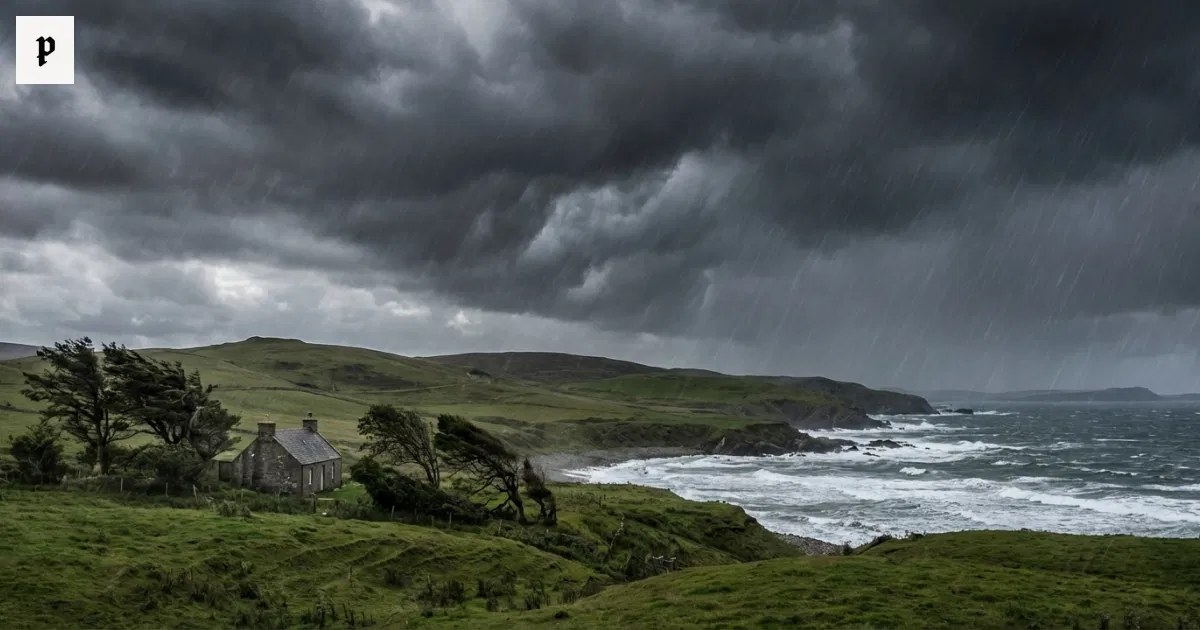
Speaking in the voice of a seasoned coastal watcher who has spent decades observing tempests roll in from the Atlantic, I can tell you that Storm Bram is no ordinary visitor. It has arrived with a roar, carrying sheets of heavy rain and winds so strong that even the toughest harbourside railings tremble. Across Scotland, Wales and south west England, the Met Office has issued several danger to life warnings as the storm tightens its grip.
In north west Scotland, gusts of up to 90mph are tearing across exposed areas, threatening to rip tiles from rooftops and send debris flying. Elsewhere in the region, winds hovering around 70mph are already reshaping the landscape, bending trees and stirring up seas that crash hard against the coastline.
Amber rain warnings are now active for south Wales and stretches of the south west, including Dartmoor in Devon. Forecasters expect around 50 to 100mm of rain in these areas, enough to swell rivers, swamp roads and stretch drainage systems to their limits. Meanwhile, authorities in Northern Ireland are preparing flood defences as rivers rise steadily, fed by relentless downpours.
Flood warnings climb nationwide
The latest tally shows nearly 80 flood warnings across the UK. In England there are 40 warnings in place, with another 25 in Scotland and 13 in Wales. Although no severe warnings have been issued, the threat of rising waters remains serious.
CalMac, the main ferry operator along the west coast, reports disruptions across all 30 of its routes. With 13 cancellations and 17 additional services facing delays or potential interruptions, sea crossings have become increasingly unpredictable.
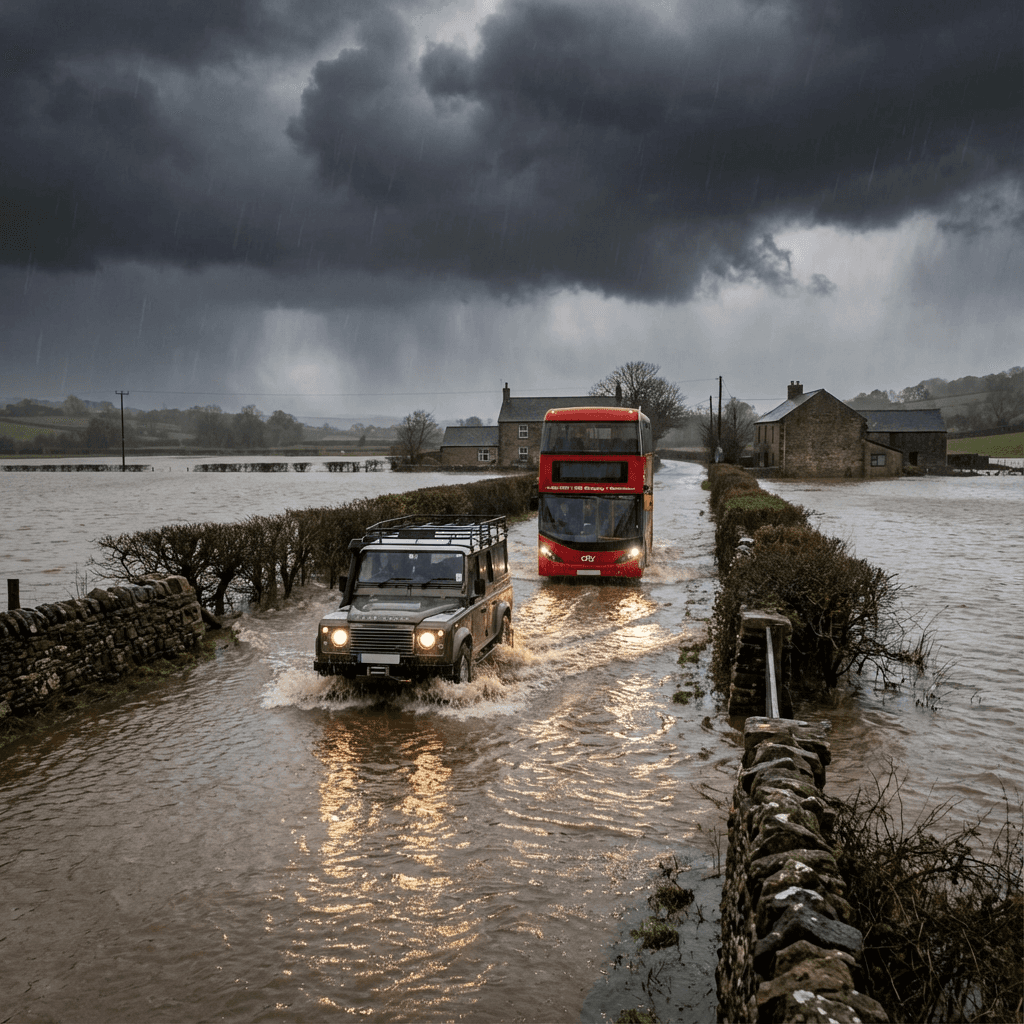
Flooded roads add to widespread travel problems
Homes lose power as travel halts across regions
The National Grid reports that 3,303 properties across the Midlands, south west England and south Wales are without power. While not all outages are directly tied to the storm, the worsening conditions make repairs difficult.
Rail passengers face further turmoil. Services between Fort William and Mallaig will halt from 16:00, with the line between Dingwall and Kyle of Lochalsh closing from 17:00. Reduced speeds are in effect on the West Coast Main Line, as well as routes running through Glasgow, Ayrshire and Dumfries and Galloway. Flooding, fallen branches and wind damage have forced the introduction of multiple speed limits across lines stretching from Mallaig to Aberdeen and Inverness.
Police in Devon and Cornwall are urging residents to travel only if absolutely necessary. Calls about hazardous road conditions have surged throughout the morning, with officers warning drivers to slow down and give extra space to other vehicles.
The changing climate and increasing risks
Extreme rainfall events like this are becoming more common, driven by a warming atmosphere that can hold more moisture. Scientists note that climate change is intensifying downpours across Europe, Asia, North America and beyond. Flooding patterns are influenced not only by rainfall but also by land use and the presence of flood defences.
In Greater Manchester, a stretch of the M66 is closed southbound between Edenfield and Walmersley due to flooding and a multi vehicle crash. National Highways has reported extensive damage to the central reservation, with crews working urgently to clear flood water and restore traffic flow.
Elsewhere, floodwater on the tracks at Chipping Sodbury in South Gloucestershire is delaying services between London, south west England and south Wales. Emergency responders in Devon and Somerset rescued two people from the roof of their stranded car near Teigngrace on the River Teign, where waters rose quickly at dawn.
In York, river levels continue to rise as the River Ouse spills over its banks. Streets near the waterway are already flooded, and residents have been warned that the situation is likely to worsen before improving.
Fresh amber alert issued for Northern Ireland
The Met Office has issued a new amber wind warning for Northern Ireland, covering Antrim, Fermanagh, Londonderry and Tyrone from 14:00 to 19:00. With gusts expected to reach 60 to 70mph and possibly hit 80mph along coasts and hills, authorities warn that power cuts, road closures and flying debris could pose significant hazards.

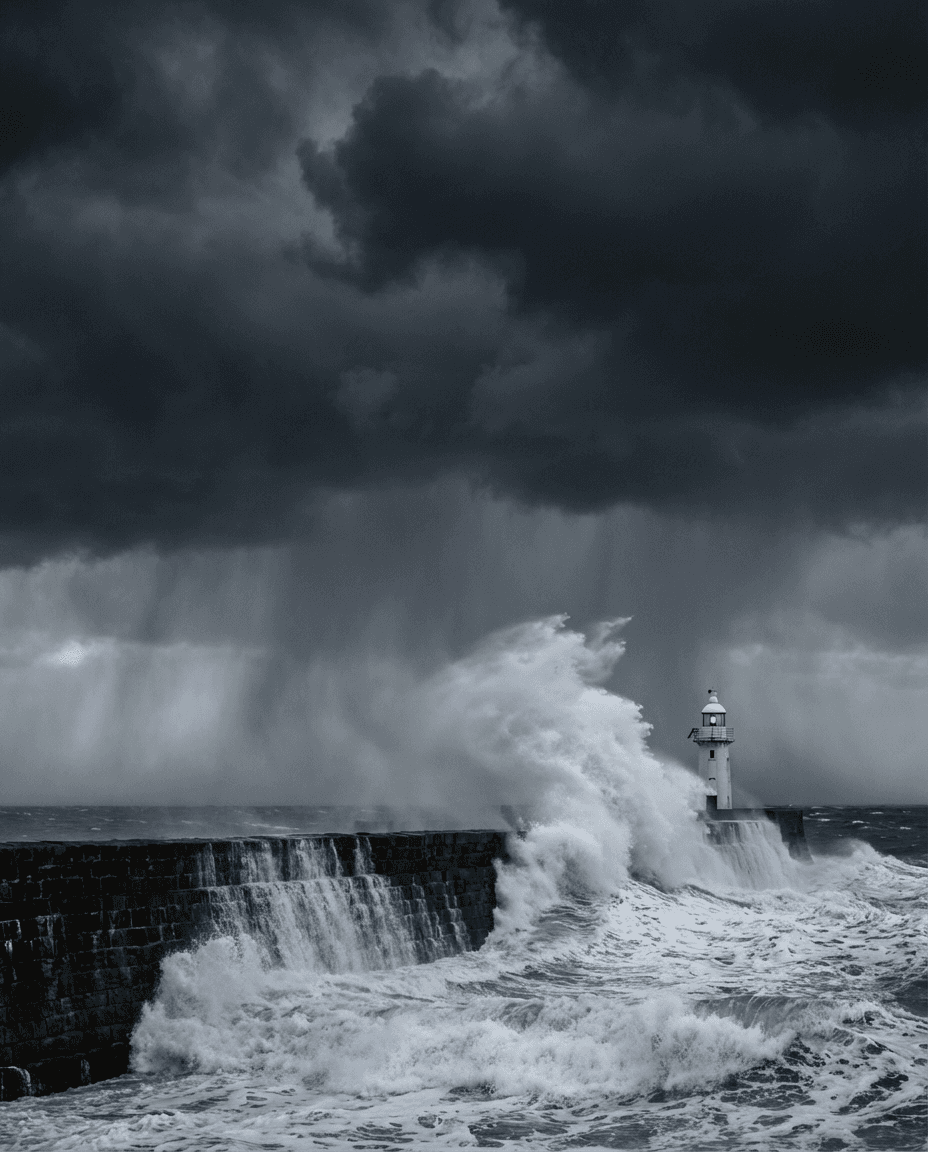
Coastal winds intensify as Storm Bram strengthens
Travellers are advised to check transport schedules, prepare for potential power outages and take extra care when walking near cliffs or shorelines.
Nationwide transport disruption continues
National Rail has issued several warnings across the UK. In Wales, flooding between Pontypridd and Tonypandy has cancelled services, though limited road transport is running. The London Paddington to south Wales service is reduced to one train per hour.
In Scotland, key routes between Glasgow and Carlisle, Kilmarnock and Ayr, and Stranraer remain disrupted until 14:00. Later in the day, multiple lines across Inverness, Aberdeen and Wick will also be affected. Meanwhile, in England, trains between Swindon and Bristol Parkway may face delays of up to 25 minutes due to flooding.
Storm Bram continues to roll across the UK with little sign of easing. With danger to life warnings still active in Scotland, Wales and south west England, authorities urge the public to monitor updates closely and avoid unnecessary travel.