
European Leaders Confront a New Strategic Shock
Senior European officials are grappling with fresh unease after reports that Washington is exploring possible terms for engagement with Moscow. According to Bloomberg, the concerns have widened into a debate over the long term future of the transatlantic partnership and Europe’s ability to protect its own security.
US Strategy Document Sends a Stark Warning
A recent 33 page National Security Strategy signed by President Donald Trump states that Europe risks fading unless it reshapes its political culture. The direct language caught immediate attention across European capitals.
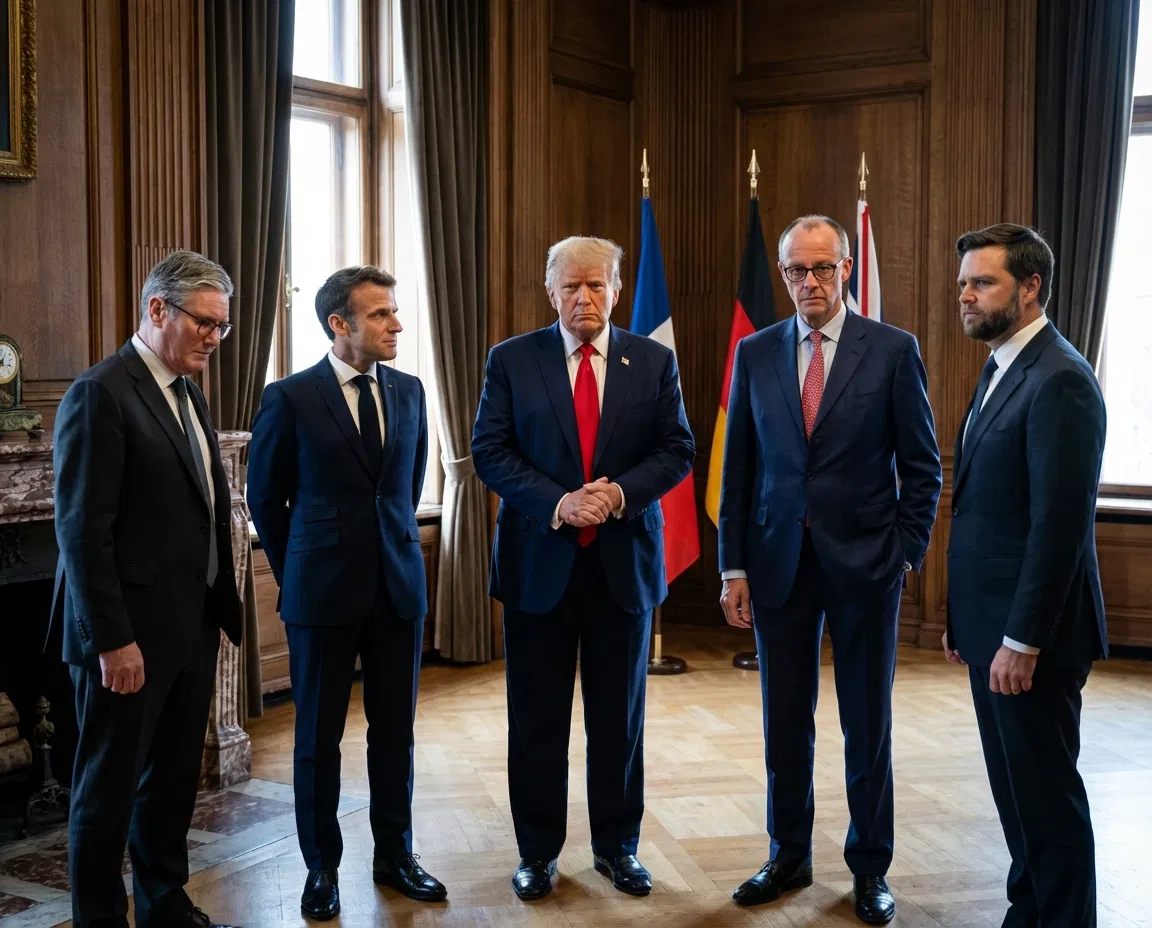
European leaders respond to the US strategic warning
Timing Raises Questions Across Europe
For UK Prime Minister Keir Starmer, French President Emmanuel Macron and German opposition leader Friedrich Merz, the timing of the US message was particularly striking. It arrived just as Russia’s war in Ukraine appears to be entering a potentially decisive stage and echoed themes raised earlier this year by Vice President JD Vance in Munich.
Fear of a US Russia Arrangement
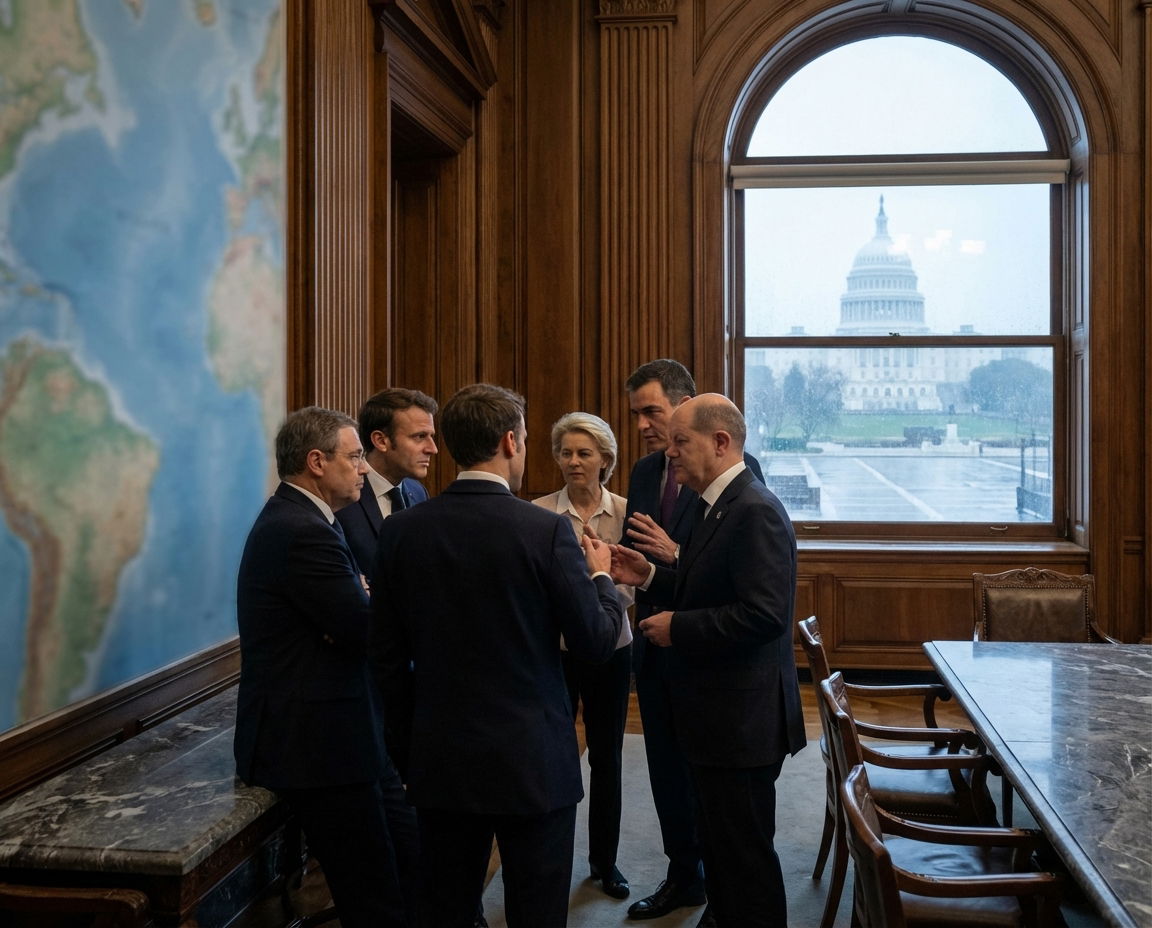
European governments worry that Washington might pursue an understanding with Russia that would be seen as a concession by the West. Such a development, officials fear, could shift the balance of the conflict and weaken long standing commitments between the United States and Europe.
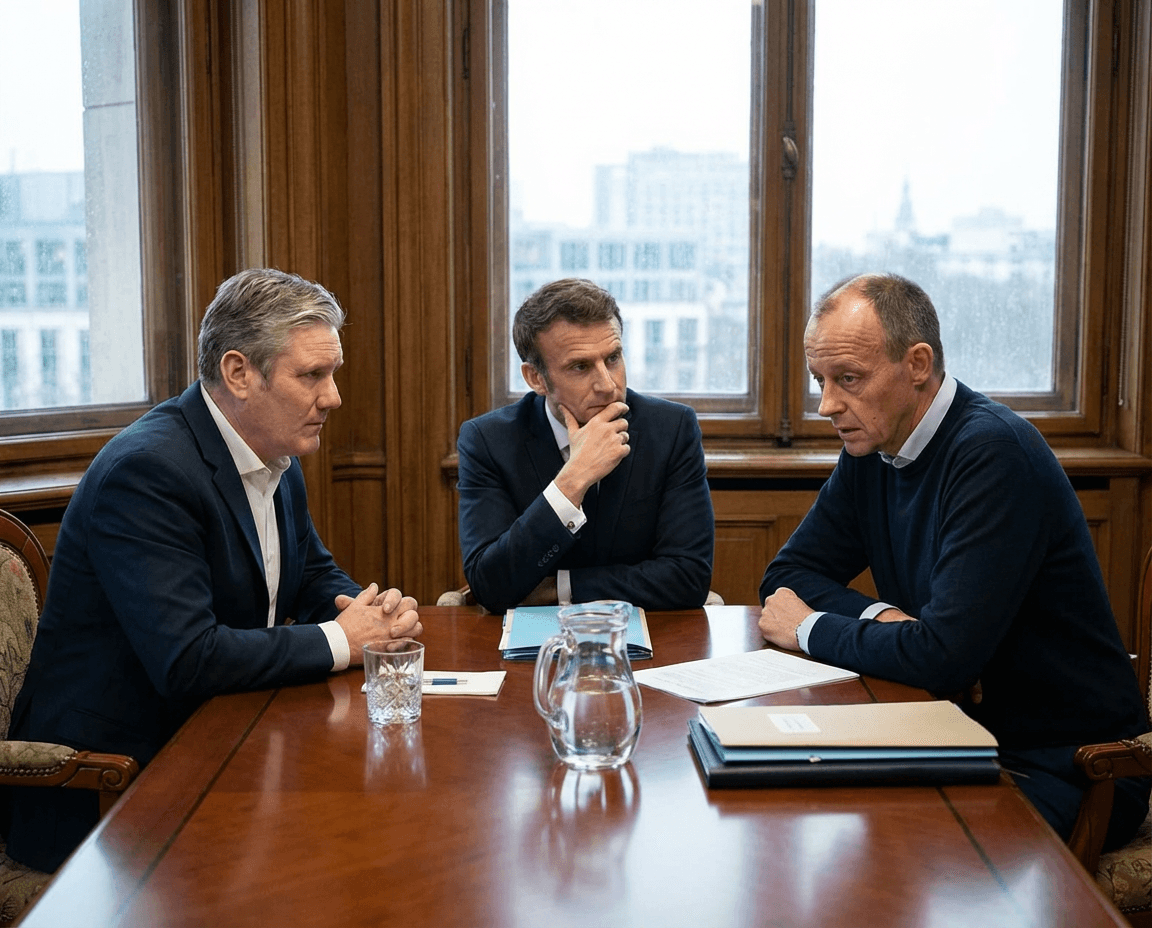
Concerns grow over the direction of US Russia diplomacy
Trust in Washington Wavers
The possibility of a unilateral US shift has shaken confidence in the Trump administration among European leaders. It has also intensified broader questions about the durability of the transatlantic alliance and whether Europe is prepared to defend its interests independently if required.