
Renewed Political Tensions Over Delayed Appointments to Independent Authorities
Greece faces renewed debate over the long pending appointment of new heads to three constitutionally mandated independent authorities, as political disagreement continues to stall progress. Attention has turned to the Authority for the Protection of Personal Data, the Authority for Ensuring the Confidentiality of Communications, and the Ombudsman, all of which have been without leadership for an extended period following the expiration of previous terms.
The Constitution requires the selection process to pass through the Conference of Presidents of Parliament, which formally began on 20 October 2025 with an open call for applications. Candidate CVs were circulated to members of the body, yet momentum soon faded.
Sources indicate that Speaker Nikitas Kaklamanis did not initiate structured discussions because early signals showed limited prospects for securing the necessary three fifths majority. Concerns about the prolonged deadlock coincided with the start of a year expected to bring talks on constitutional revision, a process also dependent on broad political consensus.
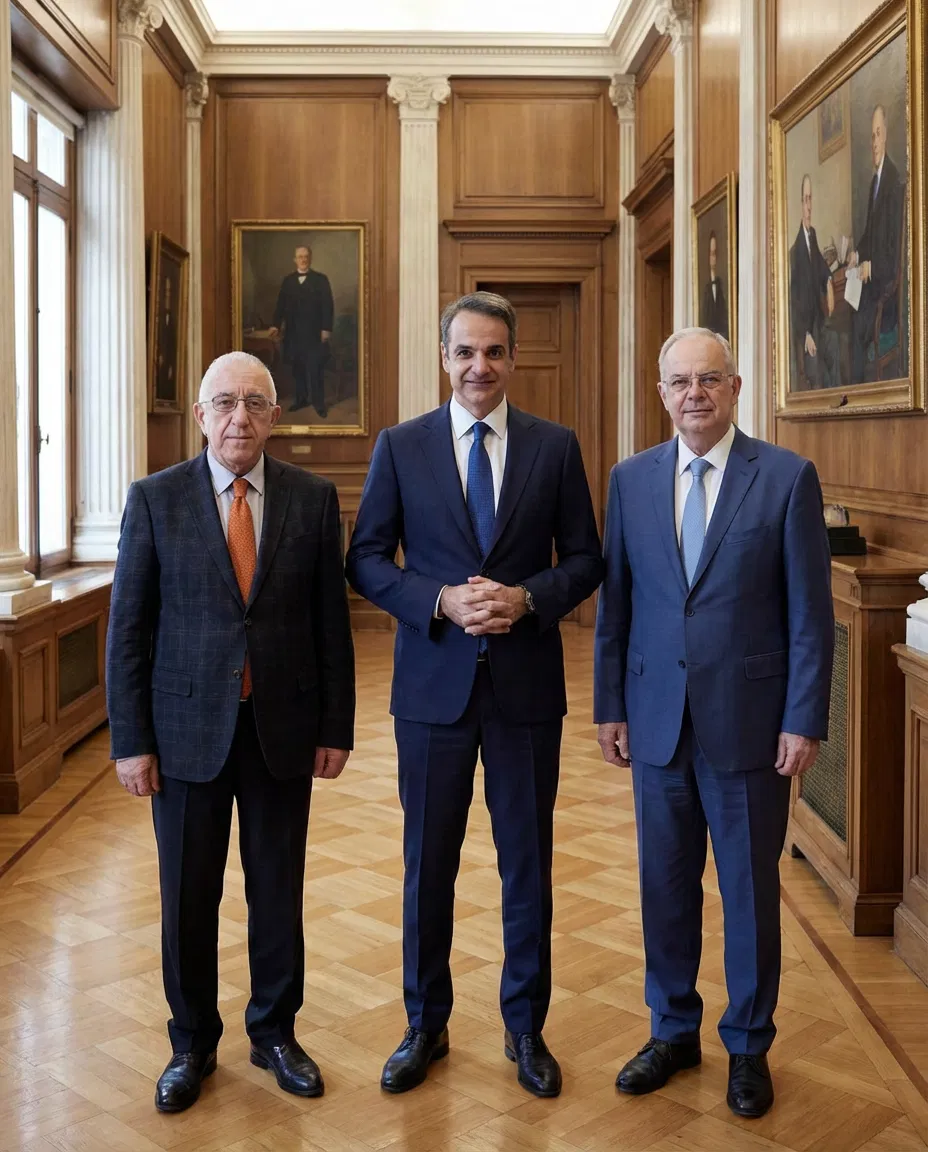
Prime Minister Kyriakos Mitsotakis reportedly pressed for swift movement during an informal conversation with President Konstantinos Tasoulas and Speaker Kaklamanis, urging steps to resolve the impasse.
PASOK stated that the Speaker of Parliament is attempting to steer the process.
Debate intensified after reports that Kaklamanis floated the idea of having future authority leaders elected by simple majority. Such a shift would require constitutional amendment, and critics argue it risks undermining the independence of institutions by aligning them more closely with the ruling majority.
PASOK accused the Speaker of overreaching and insisted that the Conference of Presidents be convened in January, stressing that institutional safeguards must be upheld. The party vowed to submit its proposals through the appropriate parliamentary mechanism and warned against any procedural downgrading.
Historical difficulties in reaching consensus have added to the current tension. The September 2023 appointment of the head of the National Council for Radio and Television required votes from Elliniki Lysi and a flexible interpretation of the three fifths threshold, with 16 votes deemed sufficient in a body of 27 despite the mathematical requirement being 17.
PASOK criticised Elliniki Lysi for supporting the government, while Elliniki Lysi countered that PASOK itself had backed more than 50 percent of the governments bills, calling the party Mitsotakis crutches.