
A Fed Story Told by a Veteran Market Analyst
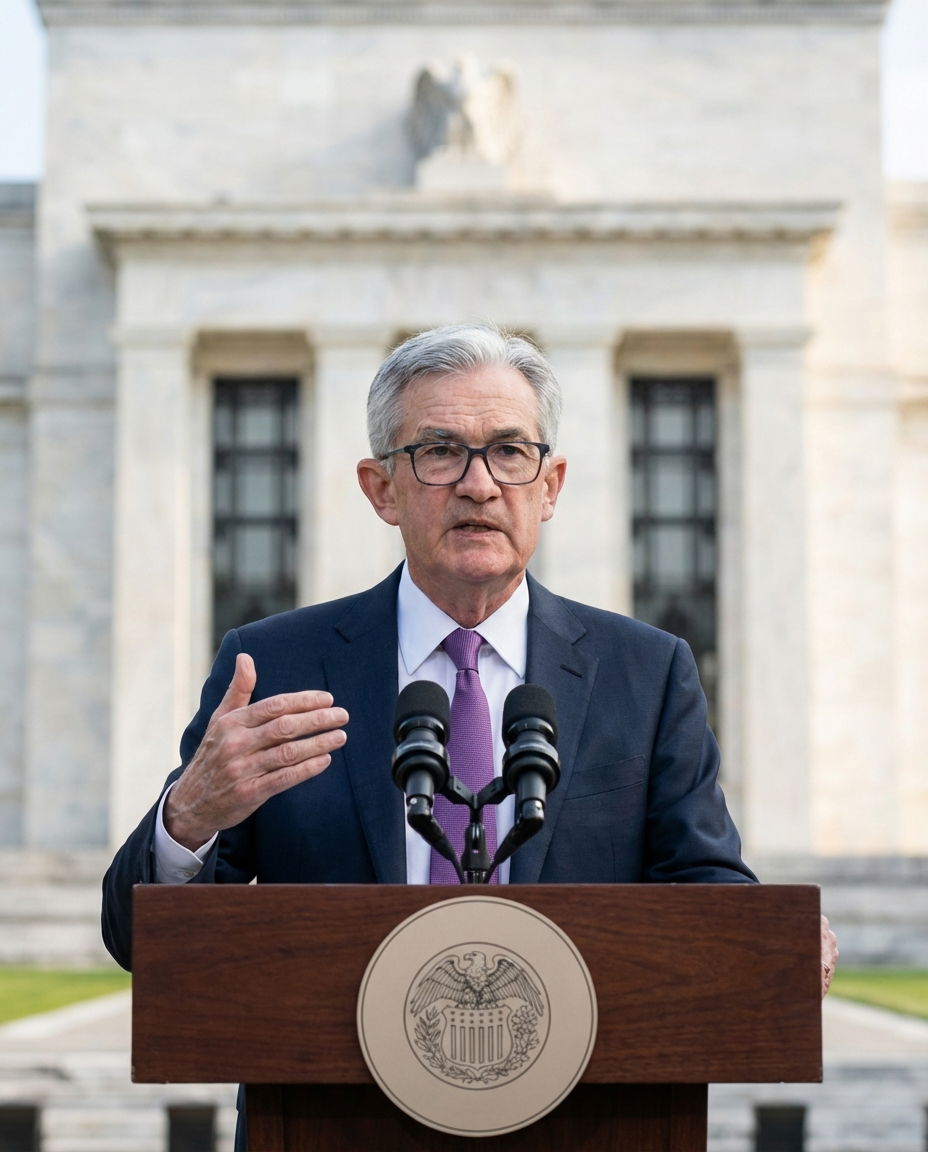
From my desk overlooking a restless bond market, the mood around the Federal Reserve feels different these days. The long standing tradition of calm consensus is slipping, and the latest rate decision made that clear. The committee voted to cut the benchmark rate by 0.25 points, but the split inside the room told a bigger story. Right after the announcement, Jerome Powell stood before reporters and declared that the central bank is in a strong position on price stability. His tone suggested that the door to more rate cuts will not swing open easily, no matter who holds the chair next spring.
For now, Donald Trump has reason to appreciate the broader outlook of the Federal Open Market Committee. The group expects GDP growth of 2.3 percent next year, a solid jump from the 1.8 percent projection made back in September. Inflation is also expected to ease to 2.4 percent by the end of 2026. But even that level will still sit above the Fed goal of 2 percent for a sixth straight year. Meanwhile the labor market has lost some of its earlier strength, making committee members cautious about placing full weight on employment support.
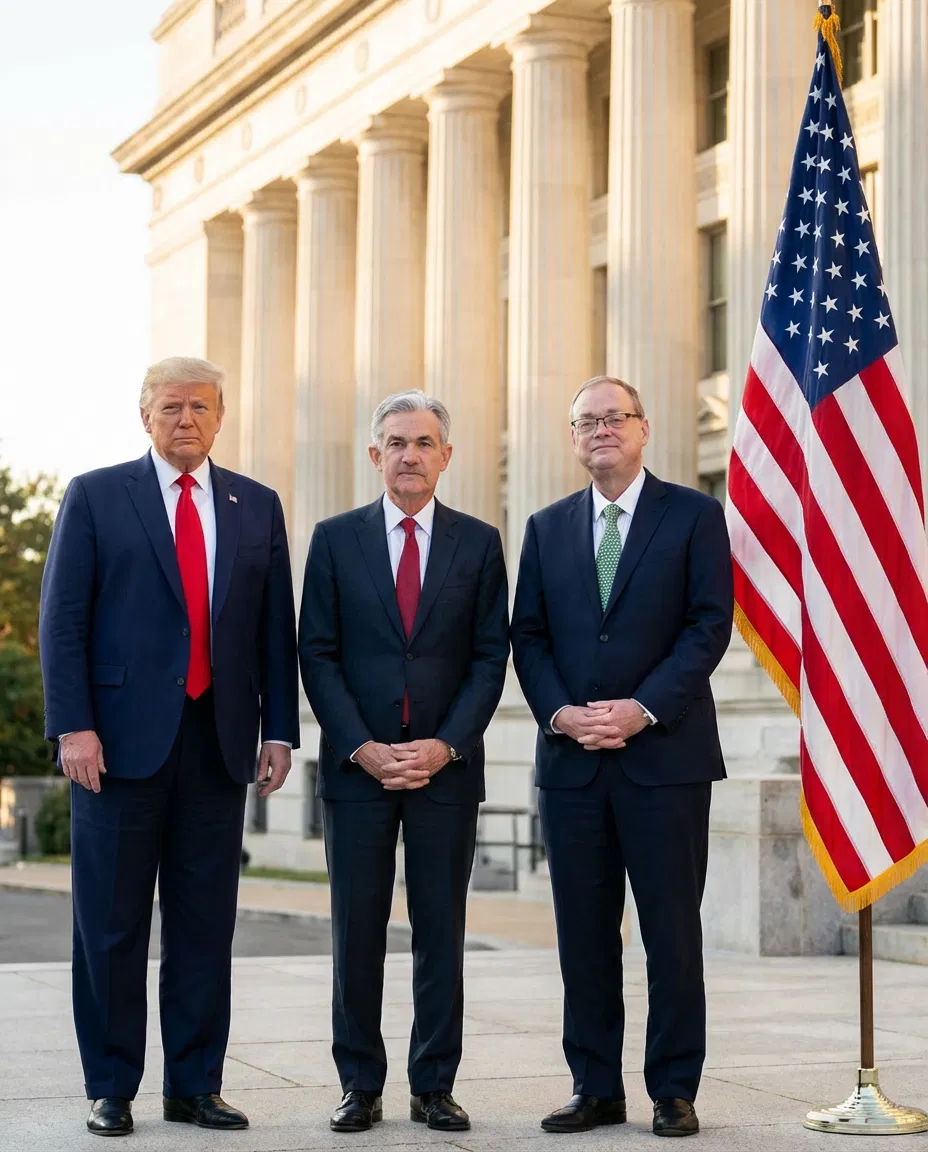
Into this uncertain landscape steps Kevin Hassett. Trump has not formally chosen him as the next chair, but his role as the clear successor is already understood. Ever aware of market nerves, Hassett has been trying to reassure investors that he will not push rates down recklessly to please the White House. Speaking at a Wall Street Journal event, he said the responsibility of the chair is simply to make the right call. If inflation rises to roughly 2.5 to 4 percent, he argued, then rate cuts would be off the table. Yet in the same breath, he also said the economy still has room for easing.
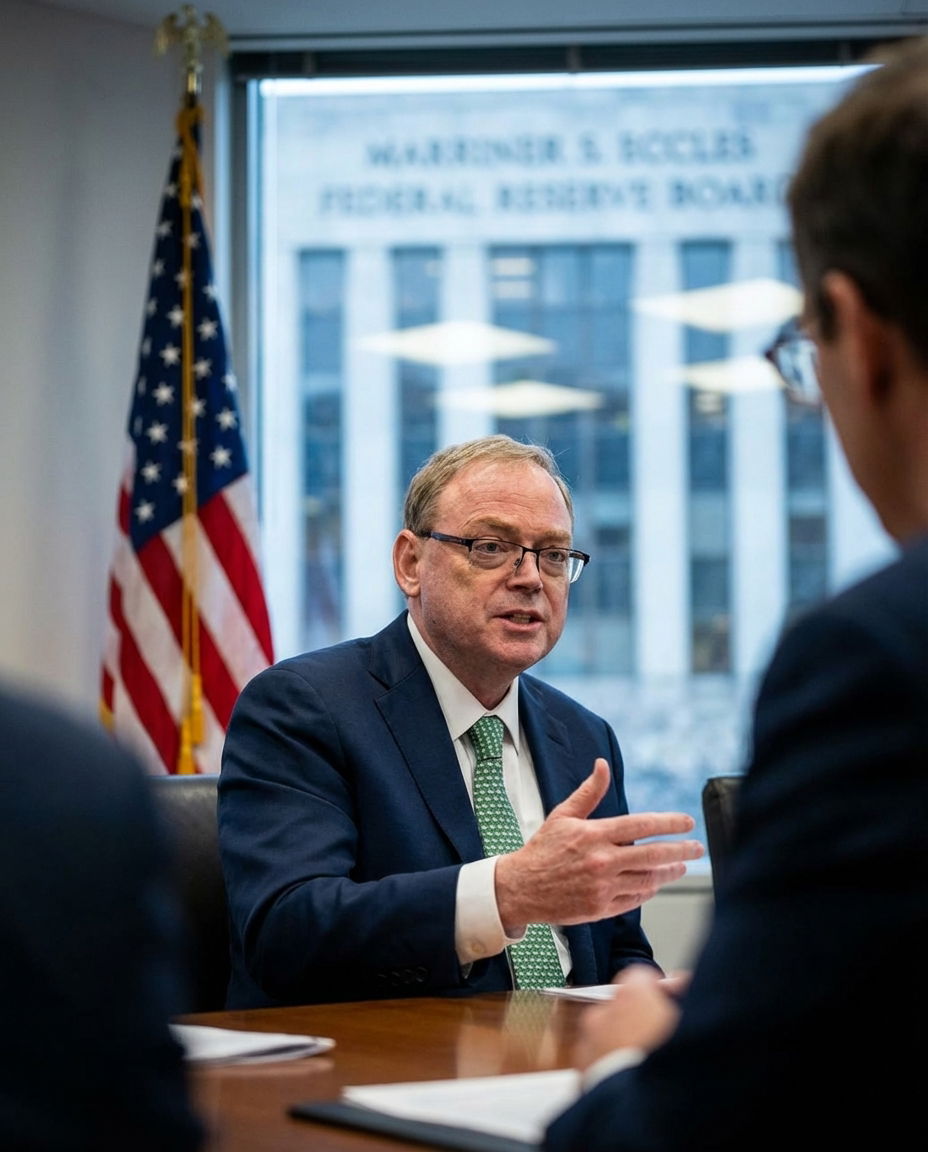
Kevin Hassett offering remarks on economic policy
Markets however do not seem fully convinced that he can guide the policy debate. The investment group Vanguard expects policy rates to sit at 3.5 percent by the end of 2026, implying that the Fed may have already entered a long pause. Analysts at Bank of America foresee a 0.5 point cut early in the new chair era, with little space for lowering rates afterward.
Others take a different view. They imagine a far more assertive Fed, shaped by pressure from Trump and Treasury Secretary Scott Bessent. In their scenario, the committee might push rates below 3 percent before the bond market decides to push back.
Yet the internal math does not make that outcome easy. This month brought three dissenting votes, the highest count since 2019. On top of that, the full 12 member committee projects only one cut next year. If this environment holds, neither Hassett nor anyone else will find it simple to steer the Fed toward deeper easing.