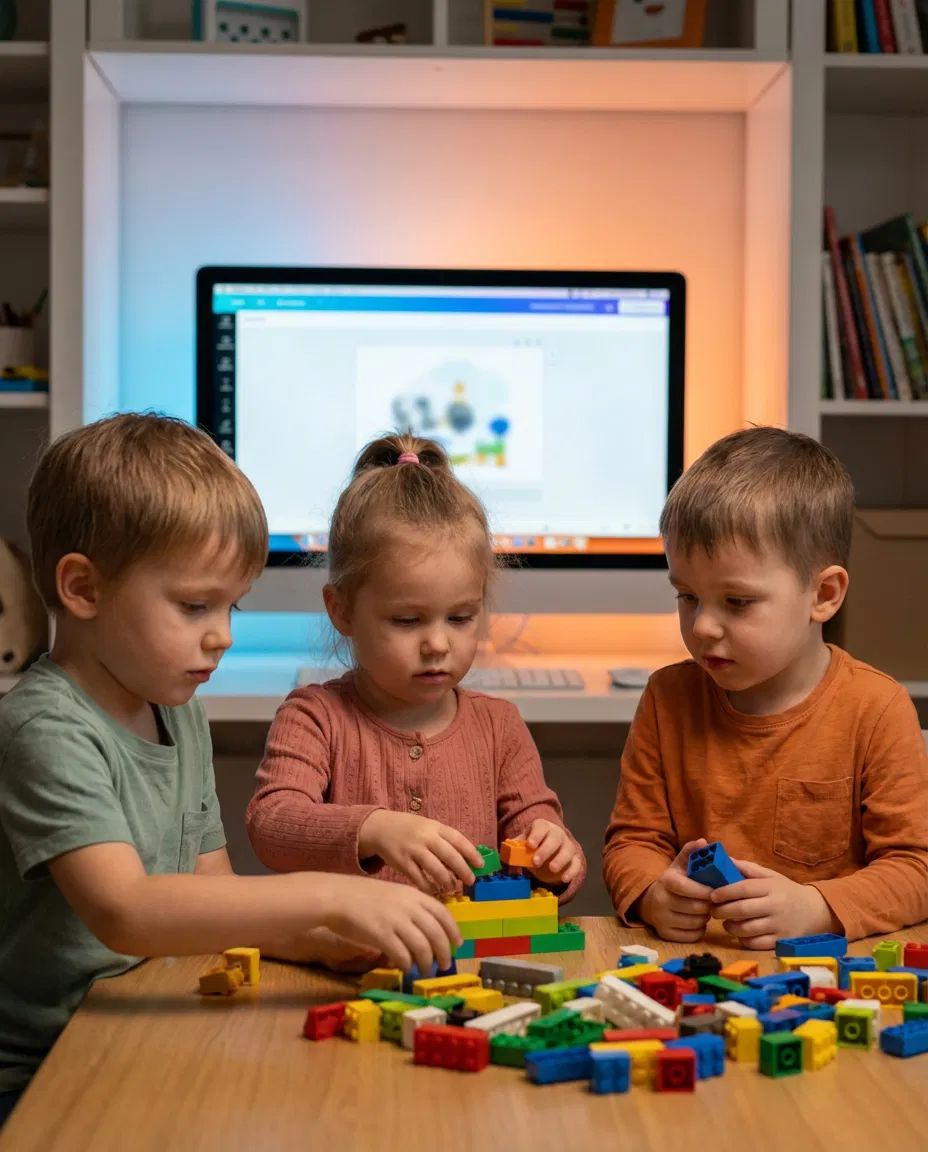

Lego is preparing to bring artificial intelligence lessons directly into classrooms by blending bricks, robotics, and practical experimentation. Debate continues over whether tools like ChatGPT represent cheating or genuine digital literacy, yet the company aims to shift attention toward understanding rather than fear.
Lego says its new education kits are designed to show students how AI functions instead of presenting it as something mysterious. Andrew Sliwinski, who leads product development at Lego Education, stresses that learning outcomes matter more than following the latest technology trend.
Many schools still face uncertainty about how to regulate the use of AI in assignments, leaving teachers and families unsure about what counts as legitimate work. This new initiative arrives as education systems attempt to keep pace with rapidly evolving digital tools.
Lego focuses its approach on robotics, computer vision, logical reasoning, and cause and effect understanding. These themes guide the curriculum toward comprehension of AI processes rather than simple use of prebuilt models.
The kits include traditional Lego bricks, interactive hardware, charging cables, and dedicated learning materials for primary and lower secondary students. One module invites learners to use computer vision to analyze a Lego figure performing skateboard tricks, mirroring techniques used by professional sports teams.
Schools will begin receiving shipments of the kits in April. Pricing starts at 339.95 dollars for each set, which averages about 85 dollars for every student.
Sliwinski notes that AI is often treated like a magic box that generates text, images, or videos when a prompt is typed. He argues that true literacy requires students to understand what actually happens inside that process.
Lego has a long history in educational robotics, with products such as Spike Prime introduced in 2019 that combined bricks, motors, sensors, and coding lessons. The company also recently presented its Smart Play system at CES in Las Vegas, where a smart brick capable of detecting other components and figures demonstrated how play and learning can blend into one experience.