
A Transformative Moment in Mongolias History
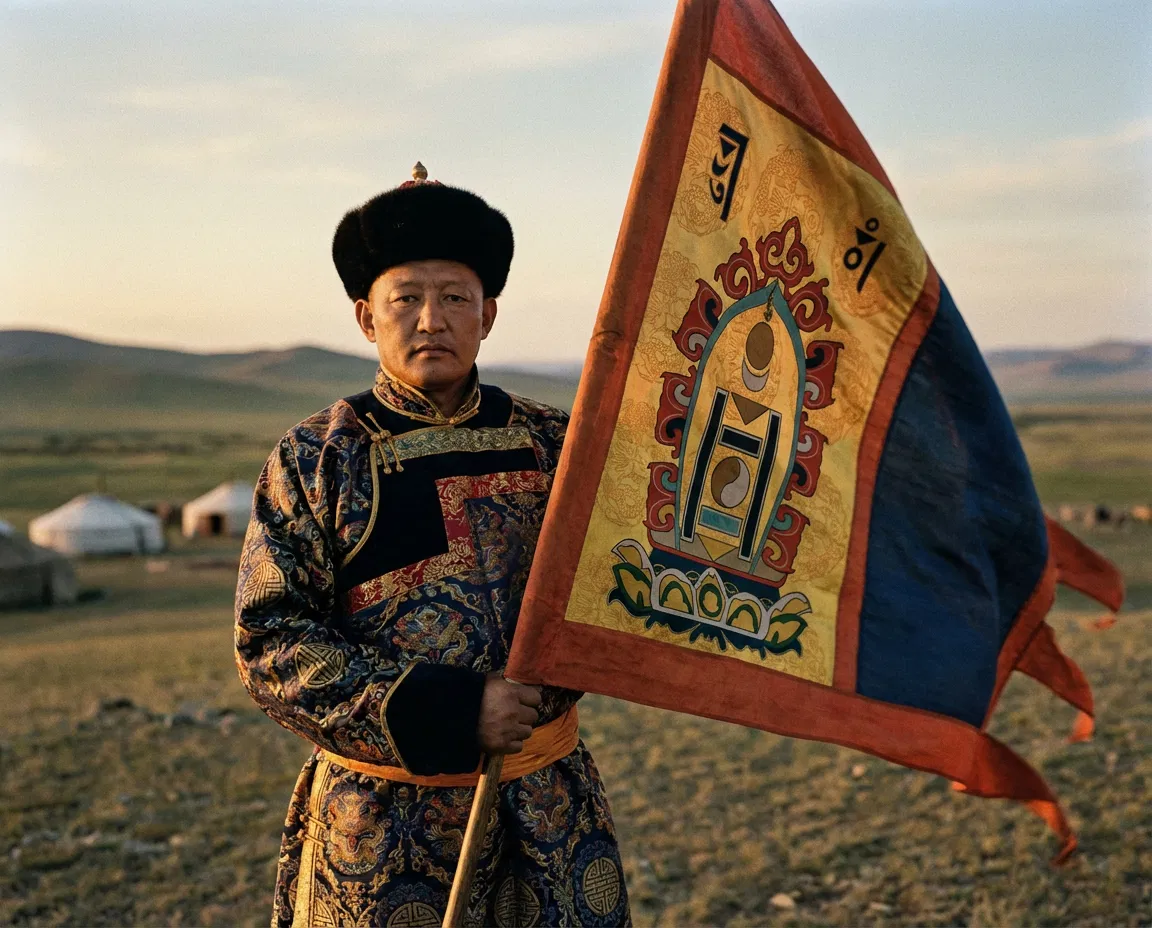
Mongolia stepped into a new era on 29 December 1911 when it proclaimed independence from the Qing dynasty during a period of rapid political fragmentation in Asia.
The collapse of Qing authority following the 1911 Xinhai Revolution opened a power vacuum across the region at a time when Mongolian leaders feared sweeping reforms from Beijing that threatened their autonomy and culture.
Mongolian aristocrats and Buddhist leaders worried about expanding Han migration, rising administrative intervention and the potential erosion of nomadic traditions.
The Rise of Bogd Khan
The proclamation of Bogd Khan as Khagan solidified the formation of a state rooted in deep religious heritage and affirmed the symbolic weight of Buddhist authority in public life.
The new state emerged as a theocracy anchored in long standing spiritual structures rather than the revolutionary ideals circulating elsewhere in Asia.
Geopolitics and External Pressures
Russia discreetly supported the independence movement to enhance its influence in Central Asia and maintain a buffer against China.
The young state quickly faced diplomatic complexity as it attempted to balance the ambitions of neighbouring powers with its determination to preserve autonomy.
A Fragile Independence
Economic weakness and administrative uncertainty challenged the new administration while China continued to assert claims over Mongolian territory.
The date of 29 December remains central in Mongolian memory because it represents the moment when political self assertion gained formal expression.
The path that began in 1911 set the foundation for Mongolias long and often difficult journey toward stable statehood.