
The unnoticed power drain hiding in plain sight
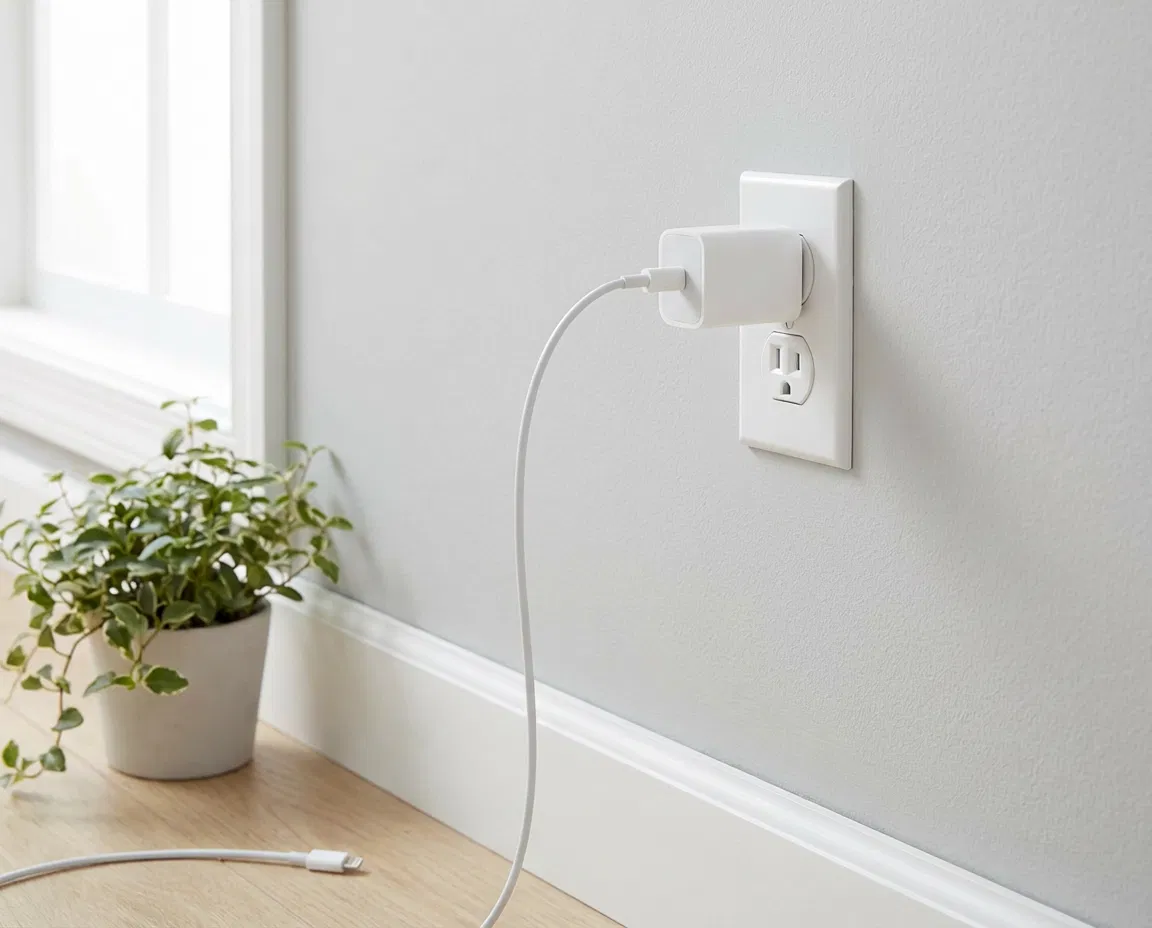
A habit many people overlook can quietly increase both electricity costs and household energy consumption. A simple phone charger left in the socket continues to draw power even when no device is connected. While most consumers know that standby mode uses electricity, few realize that an unused phone adapter also consumes energy throughout the day.
A charger that remains plugged in around the clock can reach an annual use of up to 2.5 kWh, which may seem small at first glance. The financial impact becomes clearer once this usage is converted into actual cost. With electricity priced at roughly 0.40 euros per kWh, a single charger can add about 1 euro per year to the bill, and the total grows quickly when multiple adapters are involved.
The quiet contributors inside every home
Almost every household contains several devices that remain permanently connected to the power supply. These often include:
Laptop chargers that stay plugged in without powering a device
Charging docks for tablets and various small gadgets
Power supplies for game consoles left in standby mode
Charging units for headphones and smartwatches
Each of these draws a small but continuous amount of electricity, creating a cumulative cost that becomes noticeable over the course of a year.
A simple approach that reduces waste
One of the easiest ways to stop this unnecessary consumption is by using a power strip with an on off switch, allowing several devices to be disconnected from the electrical source instantly. This approach works especially well in home offices and bedrooms where chargers and adapters usually gather.
Disconnecting chargers when not in use offers both financial and environmental benefits. It helps keep electricity bills under control during periods of high energy prices and reduces pointless energy consumption, contributing to a more sustainable lifestyle.
Small adjustments in daily habits, such as unplugging chargers and managing standby devices more carefully, can produce measurable savings. Once applied across all household equipment and over the long term, these changes make a clear difference.