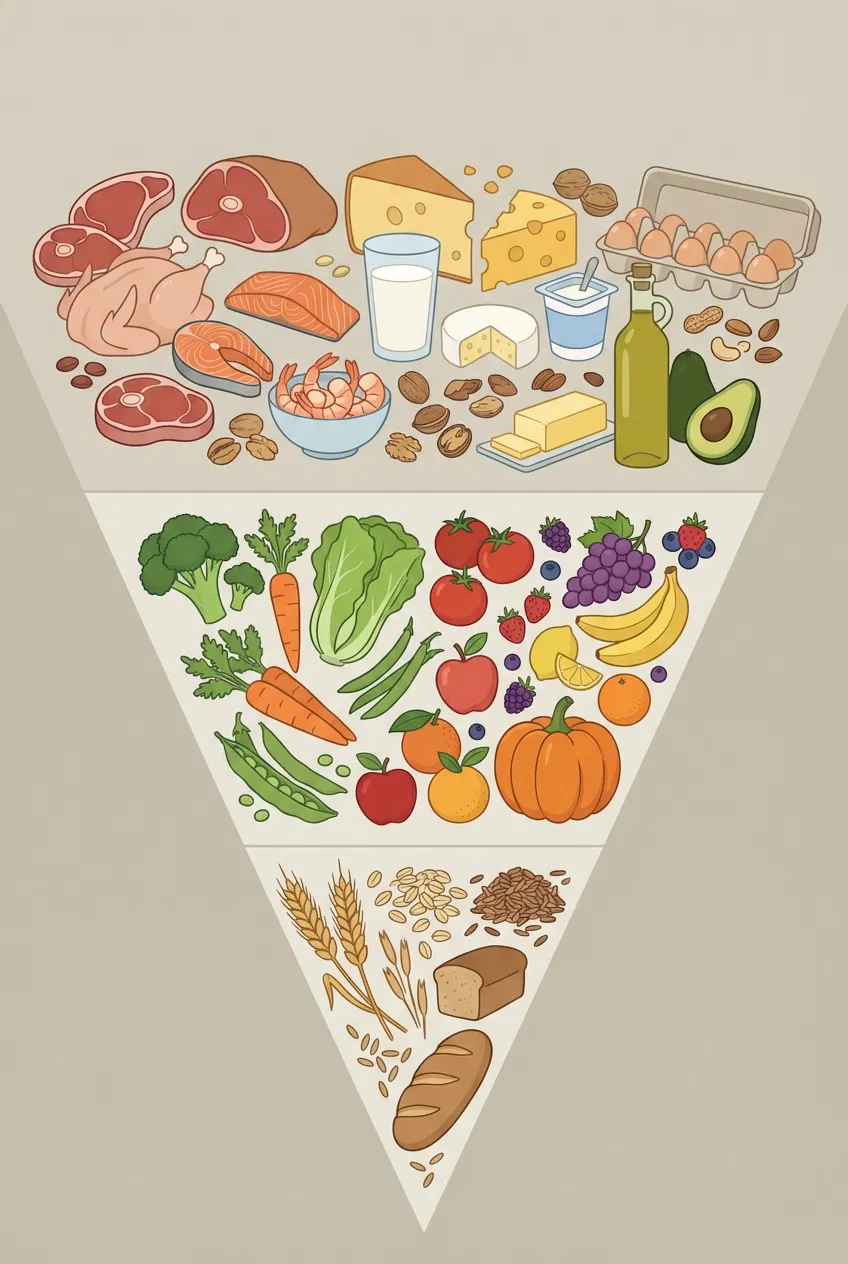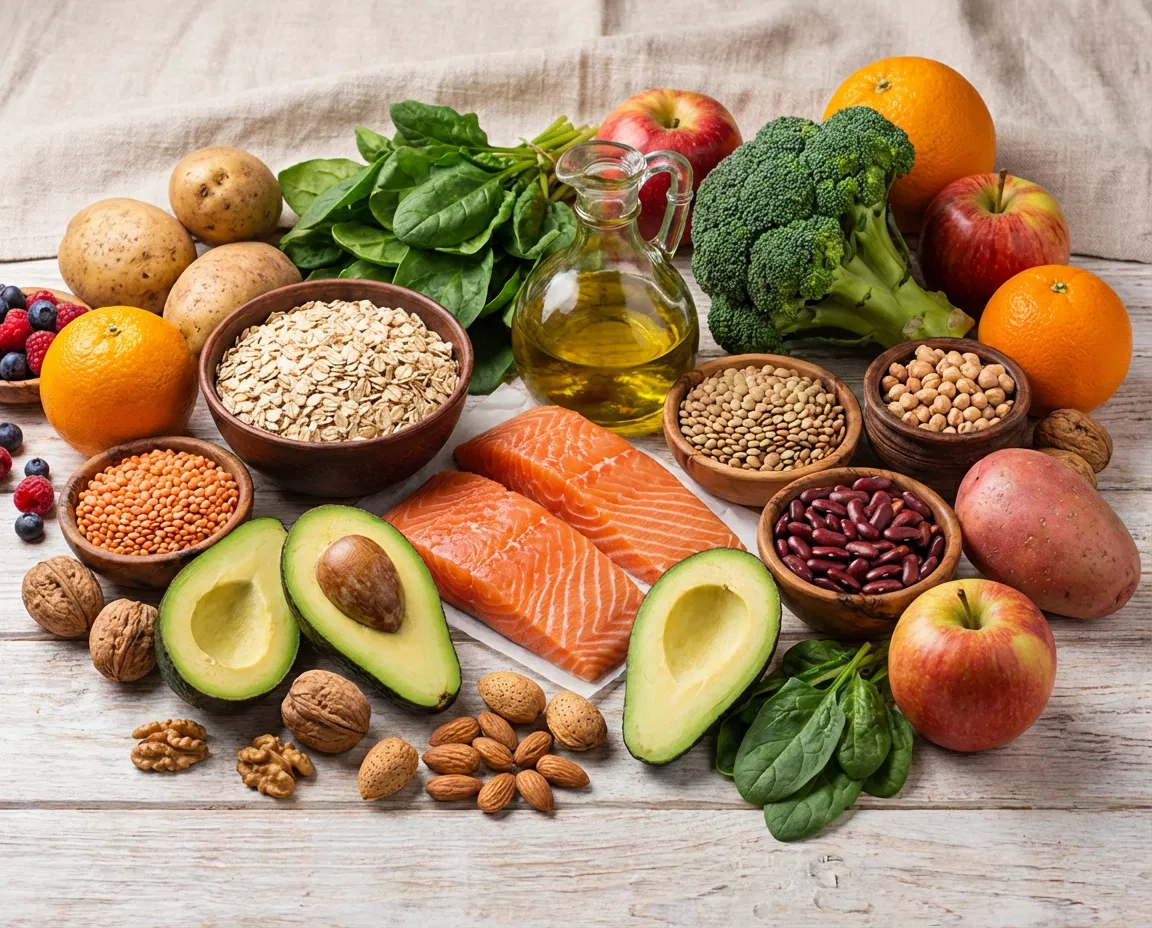

Daily eating habits shape cholesterol levels more than many realize as certain foods can significantly lower LDL. Evidence shows that options rich in soluble fiber healthy fats and antioxidants work together to support a healthier heart. Oats are widely recognized as one of the leading choices for managing cholesterol due to their impressive soluble fiber content. Additional foods also contribute meaningfully to better cholesterol profiles with research highlighting 7 particularly effective categories.
1. Legumes
Legumes such as beans soy peas lentils and peanuts deliver substantial amounts of soluble fiber that assist in lowering LDL. Regular intake of these foods has been tied to improved blood sugar control and a reduced likelihood of heart disease and chronic conditions including diabetes obesity and high blood pressure.
2. Vegetables
Vegetables offer essential vitamins minerals and fiber that collectively support cardiovascular health. Consuming them daily has been shown to decrease LDL levels and lower the risk of heart disease. Findings from a 2020 study indicated that eating 4 servings of vegetables each day can cut both LDL and total cholesterol while also reducing triglycerides and supporting healthy blood pressure.
3. Fruits
Fruits supply a mix of vitamins antioxidants minerals and fiber with berries apples and citrus providing pectin a form of soluble fiber known to reduce LDL production in the liver. These foods also help reduce inflammation which contributes to better long term heart health.
4. Avocado
Avocado contains beneficial monounsaturated fats and fiber that play a role in lowering harmful cholesterol. Research from 2020 found that individuals with excess weight who ate 1 avocado each day as part of a heart friendly diet experienced drops in both LDL and total cholesterol. Using avocado or its oil as a substitute for less healthy fats can further support cholesterol management.
5. Fatty Fish
Fatty fish including salmon trout sardines herring and mackerel are rich in omega 3 fatty acids that promote heart health. Studies reveal that consistent consumption of these fish can reduce cholesterol triglycerides and the risk of metabolic syndrome and cardiovascular disease. Fried fish do not offer these same advantages and frequent consumption may raise the likelihood of heart attack and stroke.
6. Nuts
Nuts provide fiber healthy fats plant based protein vitamins minerals and antioxidants that benefit overall health. People who include nuts regularly in their diet appear to have a lower risk of heart disease than those who rarely consume them. Walnuts contain ALA an omega 3 fatty acid linked to reduced risk of heart attack and stroke and adding nuts such as almonds peanuts and cashews can help lower cholesterol and inflammation while offering valuable nutrients.
7. Olive Oil
Olive oil stands out as a heart supportive fat thanks to its monounsaturated fats which have been shown to decrease LDL cholesterol. Its polyphenols add antioxidant protection that helps lower inflammation and reduce cardiovascular risk.