
Eurozone Entry Arrives As Bulgaria Faces A Tumultuous Winter
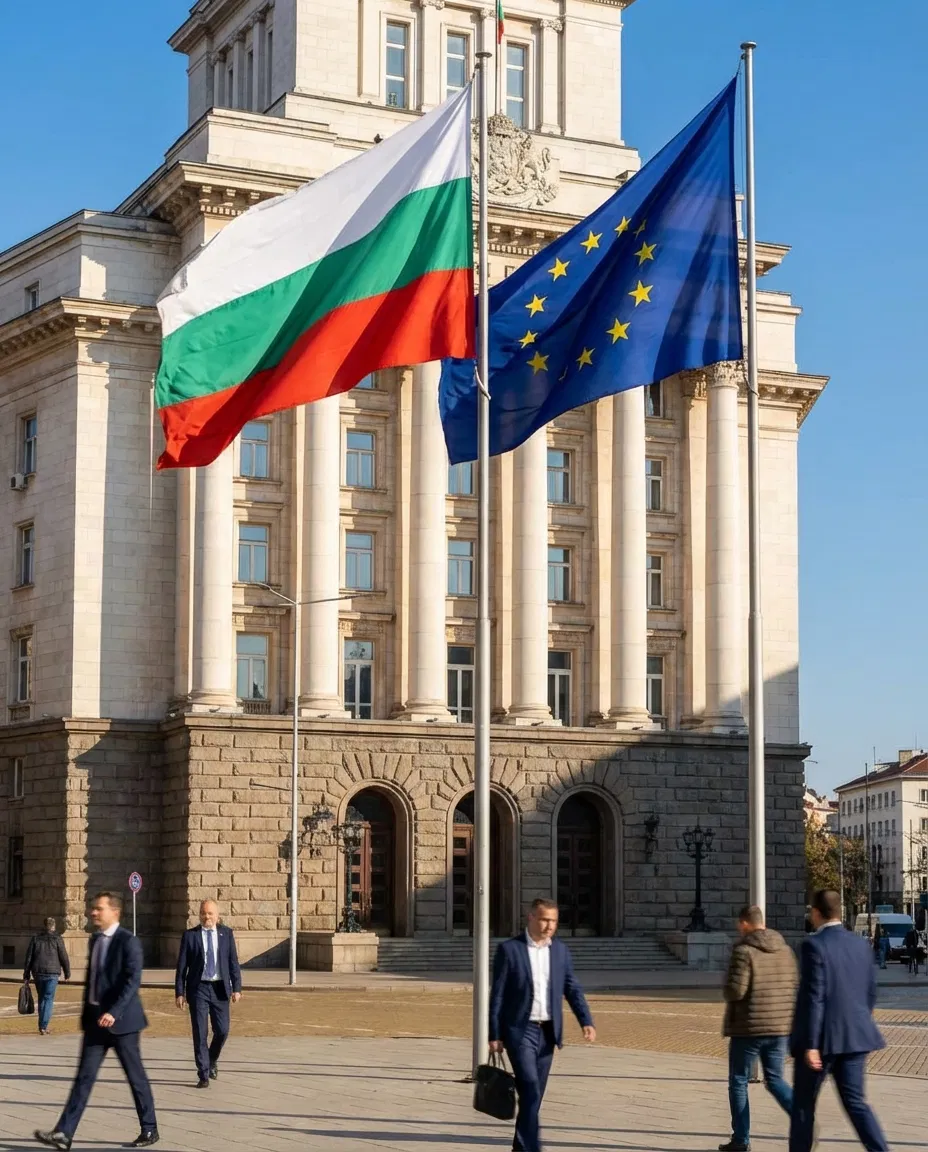
Bulgaria prepares to enter the eurozone on January 1 after nearly 20 years of integration with the European Union. Public buildings across Sofia now display prominent EU flags and a series of pro euro campaigns designed to reinforce the significance of the moment. Amid these symbols of alignment with Europe the country navigates a deep political crisis marked by protests and a collapsing sense of public trust. Authorities operate without a refreshed budget after the resignation of the government as surveys indicate that almost half of Bulgarians oppose abandoning the lev. Analysts observe that the move toward the euro instead of uniting society exposes long standing weaknesses in the political system.
Protests Escalate As Bulgaria Heads Toward Another Election
Mass demonstrations originally triggered by discontent over fiscal plans have transformed into the largest wave of unrest in a decade. By mid December the prime minister stepped down while political parties began preparing for an eighth election in 5 years. Citizens express anger over what they view as a political elite defined by corruption and clientelism along with an inability to deliver stable governance. Protesters describe a climate of mistrust by saying in public squares that every euro contributed to the state ends up stolen.
Corruption Concerns Weigh On Bulgaria’s European Path
European institutions acknowledge Bulgaria’s pro EU political forces but point out that the country consistently ranks near the bottom of rule of law indicators. Transparency International places Bulgaria second to last in the EU just ahead of Hungary. Brussels has withheld recovery funds because reforms targeting the anti corruption agency and prosecutorial oversight remain incomplete. Investigations into influential business figures and politicians including former prime ministers and powerful oligarchs have produced no convictions compounding the perception of impunity.
Society Divided Over The Euro As Fears Of Inflation Persist
Polls indicate that Bulgarians remain split over whether euro adoption represents progress or risk. Memories of the economic turmoil of the 1990s continue to shape anxieties about inflation and financial instability. The Bulgarian president along with nationalist parties previously called for a referendum on the single currency citing public concerns. Officials pledge sanctions on companies that impose unjustified price increases to reassure consumers during the transition.
Economic Growth Contrasts With Stark Inequalities
Economic indicators show that Bulgaria has achieved substantial progress since joining the EU with GDP quadrupling and public debt staying below 30 percent of GDP. Wages are rising at the fastest pace in the bloc although disparities across regions remain pronounced. Residents of Sofia earn incomes roughly double those in the poorest parts of the country while long term migration has reduced the population by about 16 percent since 2007.
A New Currency Arrives As Political Uncertainty Endures
Euro adoption continues without reversal because even critics agree that abandoning the decision would inflict severe political and economic damage. Bulgaria therefore enters its new monetary era without political stability and with public anger still visible in the streets. Voters prepare for yet another election as many hope for a long awaited reset. Young demonstrators in Sofia emphasize that their demands reach beyond the currency and focus instead on reclaiming a future they feel has been taken from them.