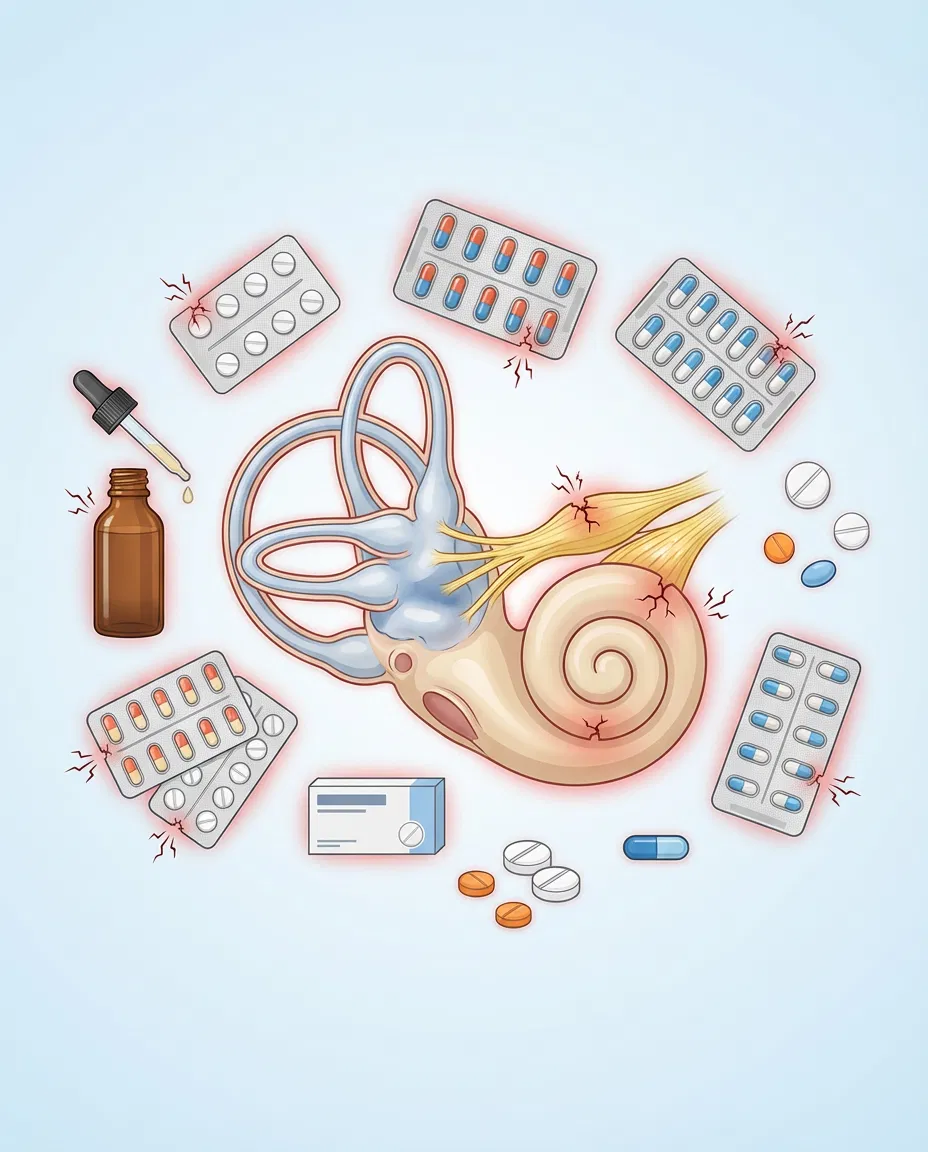

Understanding How Medications Can Affect Hearing
Many widely used prescription and nonprescription drugs have the potential to harm the inner ear and disrupt hearing or balance. Awareness of this risk remains relatively low, despite the possibility of lasting consequences. Ototoxicity describes damage to either the cochlear structures linked with hearing or the vestibular system responsible for balance as a result of drug or chemical exposure.
Symptoms can include tinnitus, reduced hearing sensitivity especially at higher frequencies, dizziness, balance difficulties, or a sense of fullness in the ears. These effects may be temporary or permanent depending on the medication involved, the dose, the length of treatment, and individual susceptibility. Specialists note that injury to the delicate hair cells of the cochlea is particularly concerning because these cells do not regenerate once destroyed.
Medications That Require Caution
Certain antibiotics prescribed for severe infections can cause irreversible hearing loss, particularly when given in high doses or over extended periods. Vulnerability increases among older adults, people with kidney disease, and those with genetic predispositions.
Some heart and blood pressure medications, including specific diuretics, may temporarily reduce hearing or trigger tinnitus by disrupting the fluid balance within the inner ear. Research continues into how vasodilators or similar drugs might contribute to tinnitus in a subset of users.
Chemotherapy agents that contain platinum compounds are known to be highly ototoxic and may lead to permanent hearing loss. Up to 60% of patients receiving these treatments experience some degree of auditory damage, especially when treatment is combined with radiotherapy targeting the head or neck.
Long term and high dose use of common pain relievers such as NSAIDs, paracetamol, or aspirin has been associated with tinnitus and temporary hearing decline. Symptoms often improve once these medications are discontinued.
Drugs prescribed for malaria or muscle cramps can also prompt short term hearing loss or tinnitus, particularly in people already managing hearing impairment, kidney issues, or genetic sensitivities. Risk may rise for individuals taking multiple ototoxic medications at the same time.
What Patients Should Do
For serious conditions such as cancer or major infections, the therapeutic benefits of these drugs typically outweigh the potential risks. Experts nonetheless encourage patients to stay informed and to ask healthcare professionals whether a treatment might affect hearing or balance. Any onset of tinnitus, dizziness, or muffled hearing should be reported promptly.