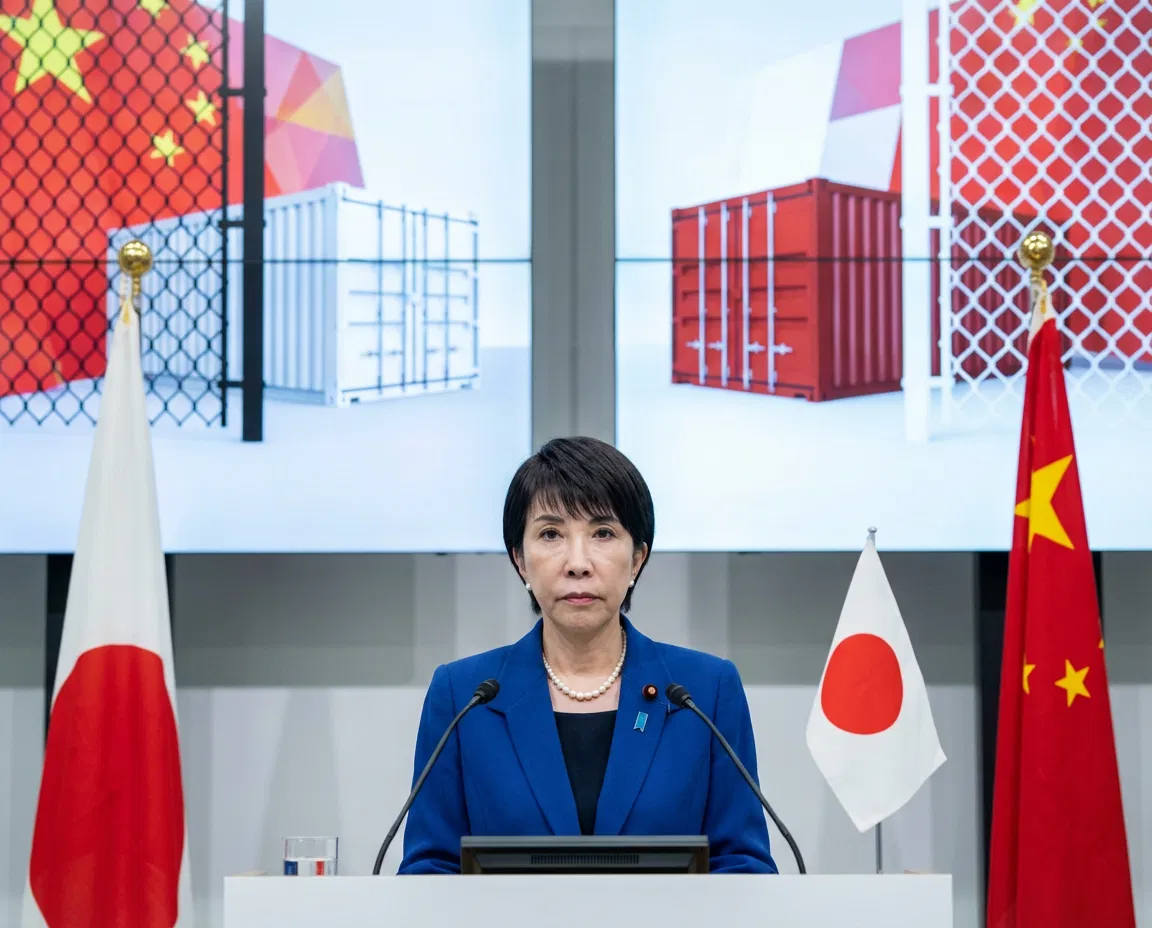

China imposed immediate and stricter export controls on dual use goods shipped to Japan, prompting a swift and forceful reaction from Tokyo. Japan said the measures were unacceptable and inconsistent with international practice.
Beijing announced the new restrictions without clarification on which goods would be affected, raising concerns in Japan that rare earth elements essential for the automotive, renewable energy, technology and defense sectors could be targeted.
The decision follows a deterioration in bilateral relations triggered by comments from Prime Minister Sanae Takaichi in early November suggesting Japan might consider military involvement if Taiwan came under attack.
Japan’s foreign ministry filed a formal protest within hours of the announcement, with senior official Masaki Kanai urging the Chinese embassy in Tokyo to withdraw the measures. The ministry said the restrictions represented a significant departure from international norms.
Analysts believe the vague wording in China’s announcement may reflect deliberate strategic pressure designed to unsettle Japan during a sensitive diplomatic moment.
Teneo noted that the impact of the measures could range from symbolic to severe depending on how far China goes in restricting critical materials needed by Japanese industry.
Nomura economist Takahide Kiuchi warned that any curbs on rare earth exports could be extremely damaging, estimating losses of up to 4.2 billion dollars if a ban lasted 3 months.
China’s dominance in both rare earth mining and especially refining gives it considerable geoeconomic leverage, leaving Japan exposed despite efforts over the past decade to reduce dependence.
Japan has diversified supply chains with support for Australia’s Lynas Rare Earths, yet it remains reliant on China for many heavy rare earth elements crucial to high performance magnets.
Ongoing dependence means Tokyo still faces significant vulnerability as China’s latest move raises the prospect of renewed strain on global supply chains.