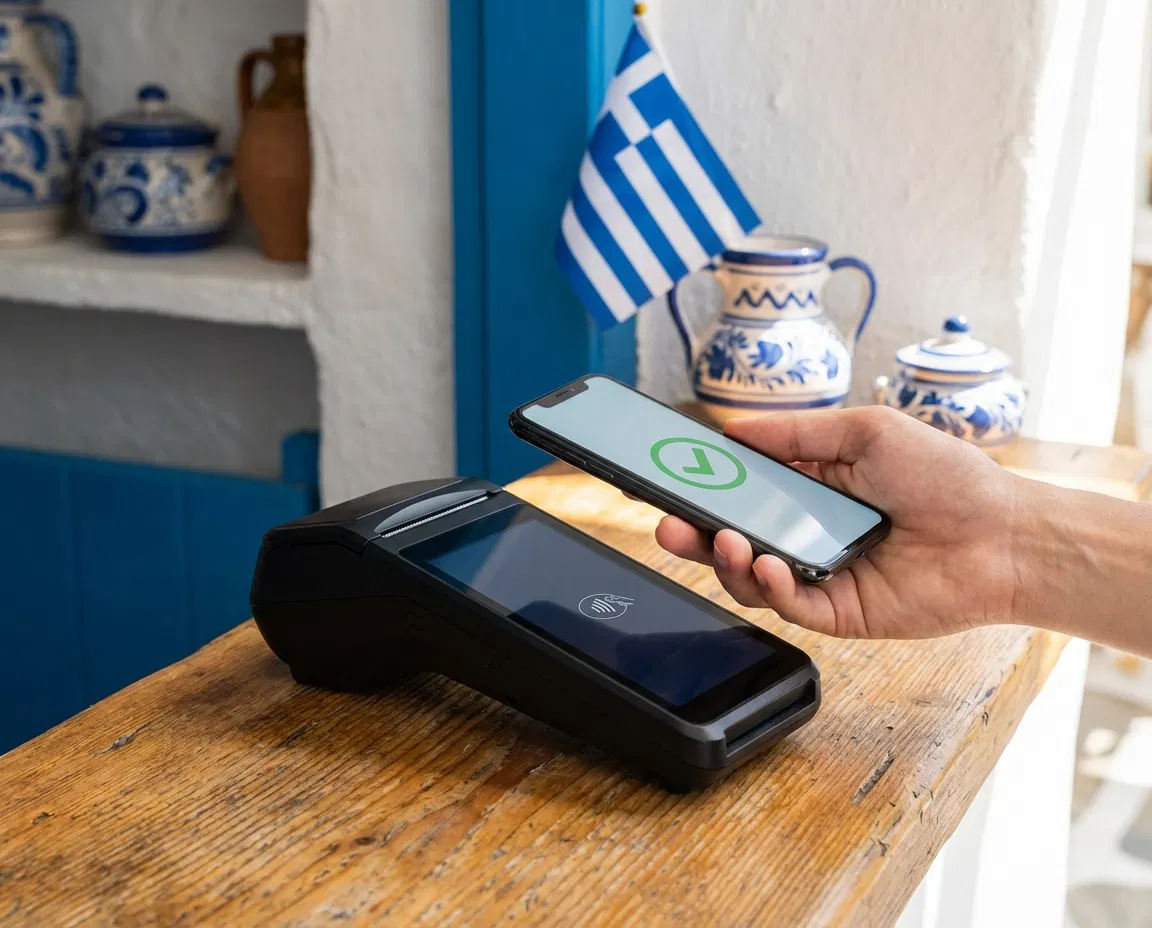

Electronic Invoicing Becomes Mandatory in Greece
Greece is preparing to phase out paper invoices as electronic invoicing becomes compulsory for business to business transactions starting 2 February 2026. The move marks a major shift in how tax documents are issued and exchanged across the economy.
Authorities are introducing incentives to encourage early adoption of the new system, which is positioned as a powerful tool against VAT fraud and the circulation of fake invoices. Companies that join early are eligible for enhanced deductions and tax benefits.
Key Deadlines for Businesses
Large companies with gross revenues above €1 million for the tax year 2023 enter the mandatory system on 2 February 2026 and benefit from a transition period until 31 March 2026. During this window, firms can continue operating parallel commercial or accounting systems while preparing for full digital implementation.
Other businesses move to the mandatory regime on 1 October 2026 and receive a transition period until 31 December 2026. All companies must declare their use of electronic invoicing or the AADE timologio app before operating exclusively within the new framework.
How Transactions Will Change
Electronic invoices will replace handwritten and simple digital invoices through secure certified systems. Domestic business transactions require mandatory issuance and acceptance of electronic invoices. Cross border activity with non EU countries also requires electronic invoicing, while partnerships with EU based businesses remain optional for now.
Companies may issue electronic invoices through certified providers linked to AADE’s myDATA platform or through AADE’s free timologio application. Both channels offer real time communication with tax authorities.
Incentives for Early Adopters
Businesses that join the system two months before their mandatory start date receive incentives that include 100 percent enhanced depreciation for equipment and software purchases. They also secure a 100 percent increased deductible expense for electronic invoicing services during the first year.
To qualify for these benefits, large companies needed to enter the system by 1 December 2025, while all other businesses have until 3 August 2026.
Impact on Fraud and Tax Administration
Electronic invoicing is expected to significantly limit the issuance of fake invoices used to conceal revenue or evade VAT. The new system enables authorities to monitor transactions in real time, verify data instantly, and detect discrepancies across records.
The European Commission highlights that electronic invoicing will improve VAT compliance, reduce administrative errors, lower costs, and support the introduction of pre filled VAT returns. Real time data availability is anticipated to strengthen the fight against carousel fraud and lower the overall VAT compliance gap.