
Critical PET Scan Breakdown Leaves Cancer Patients in Crete Facing New Delays
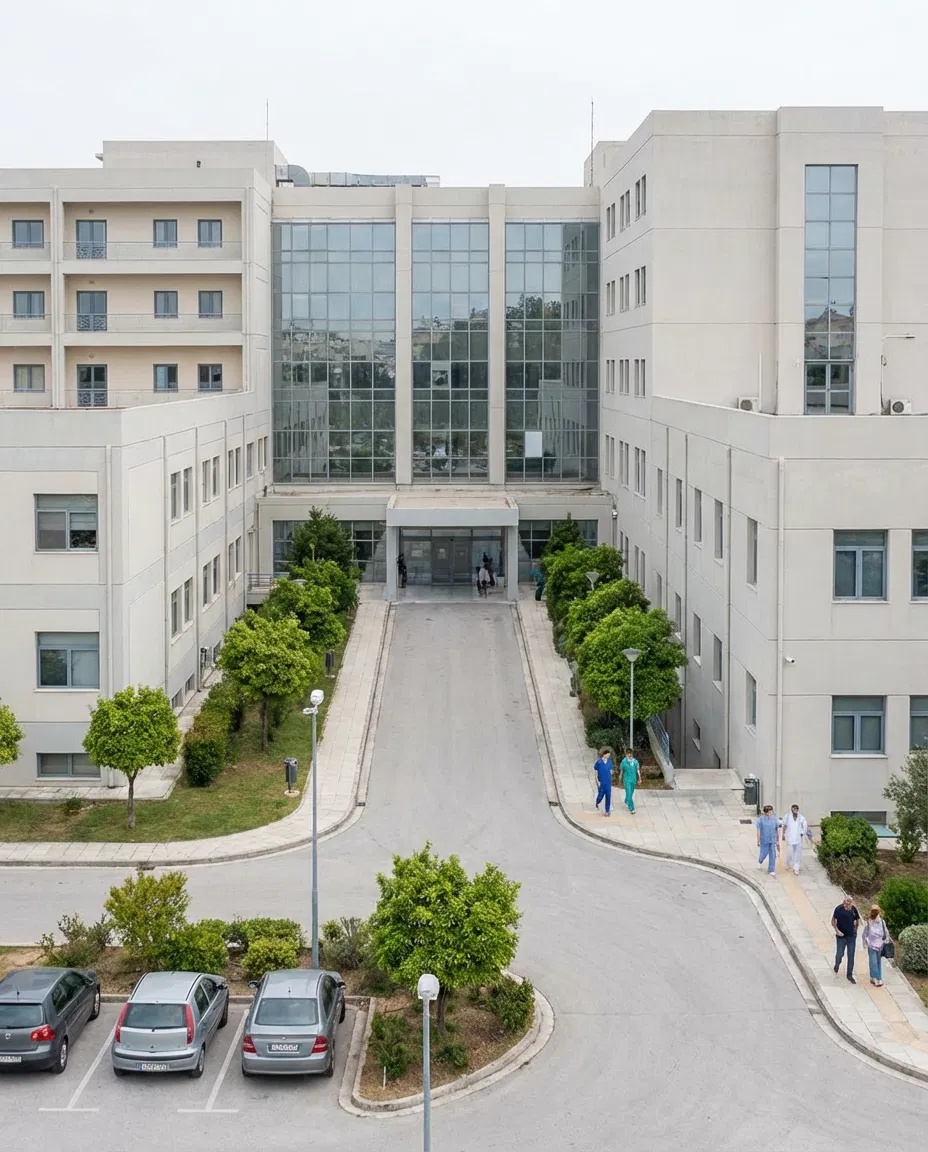
Cancer patients in Crete are once again dealing with major setbacks after the PET Scan machine at the University Hospital of Heraklion PAGNI went out of service. Roughly 15 individuals learned on Monday 29 December that their long awaited exams had been cancelled, adding fresh strain to an already difficult situation.
Some patients had previously lost their appointments earlier in December when agricultural protests disrupted flights and stopped vital radiopharmaceuticals from reaching the island from Athens. Holiday schedules now threaten to prolong the outage, even as hospital officials try to accelerate repairs.
Waiting lists for a PET Scan already exceed 3 months, forcing many people to travel to Athens to avoid losing precious time in managing their disease. The recurring cancellations have only heightened concern among those relying on timely imaging to guide their treatment plans.
Search for a Replacement Part
Hospital director Giorgos Chalkiadakis confirmed that the team moved immediately to locate the necessary replacement part once the malfunction was identified. Efforts are under way to source the component either within Greece or from abroad, including France, in order to return the machine to service as soon as possible.
Why the PET Scan Matters
The PET Scan remains an essential tool for accurate disease staging, offering critical insights that shape each patients medical strategy. Its imaging helps define lesions, allowing clinicians to determine the most effective targeted therapies based on the molecular profile of cancer cells.
Its capabilities also support early evaluation of treatment response, enabling doctors to make timely adjustments to therapeutic protocols when needed. Furthermore, the technology plays a key role in radiotherapy planning by ensuring precise targeting while limiting unnecessary exposure to surrounding healthy organs.