
POEDIN Raises Alarm Over Closed Surgical Rooms
POEDIN, the Panhellenic Federation of Public Hospital Workers, issued sharp criticism toward the government over the state of the National Health System, emphasizing that the paid afternoon surgeries do not resolve the overwhelming waiting lists. The organization stressed that these measures shift the financial burden onto patients while undermining the public nature of the healthcare system.
Call for Proper Staffing and Full Utilization of Facilities
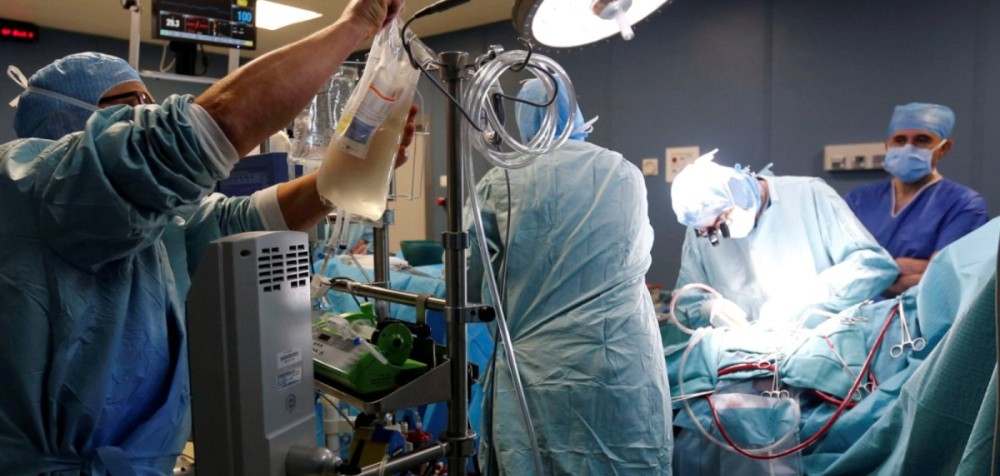
The federation argued that the real solution lies in staffing and reopening the 400 surgical rooms that remain closed across the country. POEDIN highlighted that the 11,342 afternoon surgeries conducted in a year barely address the problem, emphasizing the need for broader systemic improvements.
Prime Minister’s Statements Confirm Concerns
According to POEDIN, recent statements made by the Prime Minister confirmed their concerns about the current structure of afternoon surgeries, which are temporarily free through Recovery Fund subsidies but will revert to patient payments once funds run out.
Public Hospitals Should Not Operate as Businesses
POEDIN reiterated its firm stance, stating that "Public hospitals are not supermarkets selling health services with a fixed price list." The organization emphasized that citizens already contribute through taxes and healthcare contributions, and therefore deserve free access to necessary medical services.
Staff Shortages Undermine Afternoon Surgery Program
The federation noted that afternoon surgeries were destined to fall short due to lack of available staff. Workers cannot manage the additional workload despite financial need, given already demanding schedules and low salaries.
Patient Distress During Waiting List Review
Before launching the afternoon surgery program, hospitals reviewed their waiting lists. Staff members reported widespread desperation and frustration among patients, some of whom suffered severe complications after waiting between 3 and 6 years for surgery.
Current Waiting List Figures Raise Concerns
Updated waiting lists show 120,000 patients remaining after communication efforts, with 117,494 patients still waiting at the beginning of 2025. Some had been waiting up to 6 years, with 83,457 patients currently in the system and 32,000 waiting over 4 months. Additionally, 1,114 patients have been waiting more than 2 years.
Discrepancies in Waiting List Reduction
POEDIN questioned how the category of patients waiting more than 4 months could decrease by 35,000 when only 11,342 afternoon surgeries were completed. The organization attributed the reduction to small increases in morning surgeries and to what it described as a trick involving the voucher system.
Voucher System Leads to Patient Removal
Patients are offered vouchers for free treatment in the private sector through the Recovery Fund. When they refuse due to doctor preference or fear of hidden charges, they are removed from the waiting list and later reenter as new patients.
Low Output of Afternoon Surgeries
Only 3 to 4 patients are served daily in each hospital under the afternoon program. POEDIN warned that once patient payments resume, participation will likely decrease further.
Underused Operating Capacity Nationwide
Of the 1,000 available surgical rooms in the country, only 600 are currently functioning. Many modern rooms, upgraded during the pandemic, remain unused due to staffing shortages.
Potential Impact of Reopening Closed Surgical Rooms
POEDIN asserted that reopening the 400 closed rooms could allow an additional 400 surgeries every day, virtually eliminating waiting lists without imposing costs on patients.
Need for Hiring and Retention Incentives
The federation stressed that reopening rooms requires more anesthesiologists and nursing staff. Many surgical specialists have already left public hospitals due to lack of access to operating rooms, choosing private sector or overseas opportunities instead.
Proposals for Strengthening the Workforce
POEDIN argued that simple job postings will not attract enough staff. Instead, meaningful incentives such as substantial salary increases, inclusion in heavy and unhealthy labor categories, and permanent employment for contract workers are essential.
Concerns Over Privatization Trends
The organization warned that paid afternoon surgeries, the integration of private doctors into the system, agreements with insurance companies, and the removal of exclusive public employment for doctors risk transforming the public health system into a supplement to the private sector.
Risk to Patients
POEDIN concluded that in such a scenario, the greatest losers would be the patients, who would face rising costs and reduced access to essential healthcare services.