
Scientists examine century old cancer samples to understand rising cases among young people
Scientists in the UK have launched an extensive analysis of colorectal cancer samples preserved for up to 100 years as they investigate why bowel cancer is increasingly affecting young people worldwide.
Global data has shown a marked rise in early onset colorectal cancer, even though the disease remains more common among older adults. Concern has deepened in the UK, where cases among people under 24 have surged by 75 percent since the early 1990s, leaving researchers searching for answers.
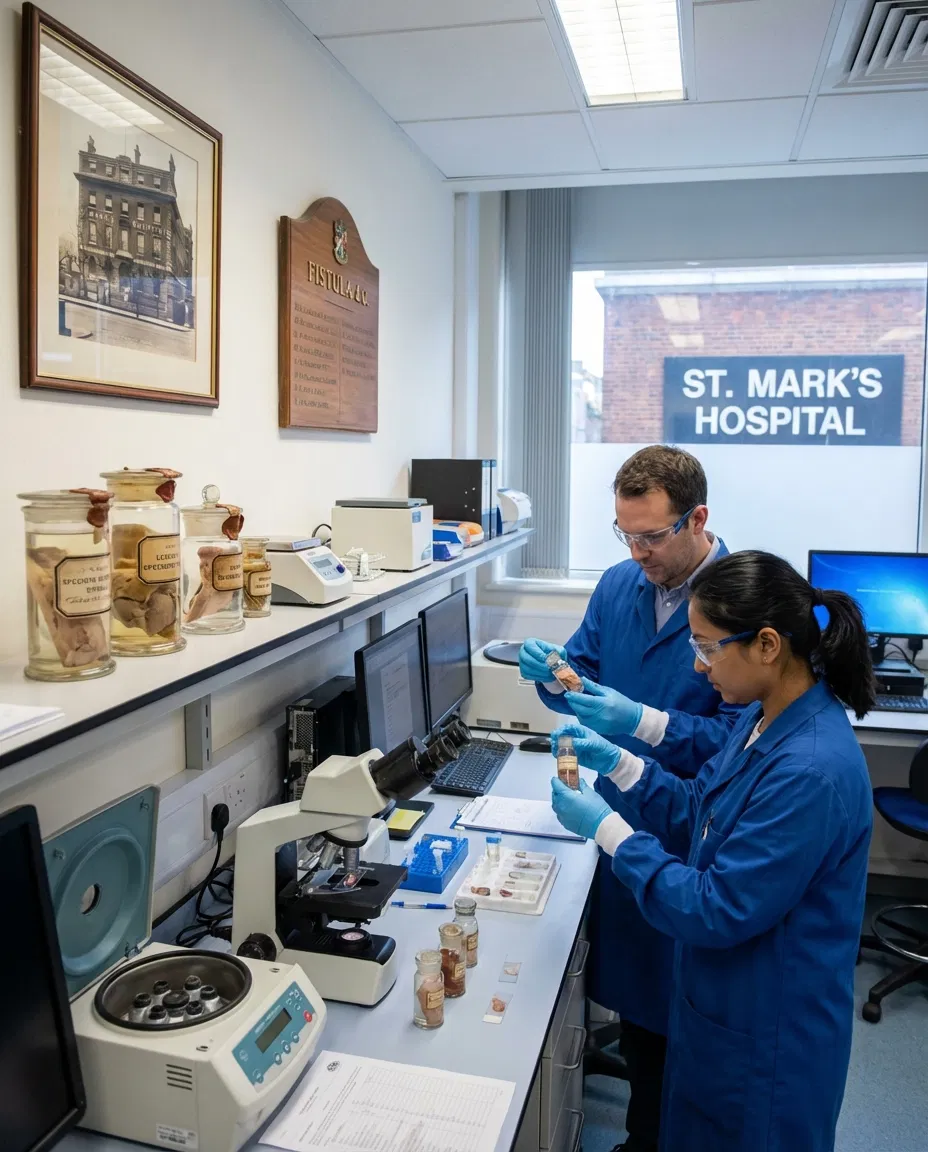
In the basement of St Marks National Bowel Hospital lies a rare archive containing tens of thousands of preserved cancer samples. Advanced molecular techniques are now being used to study these tissues to uncover how each tumour developed and to trace changes across decades.
Hollys experience
A young woman named Holly is among the growing number of under 30s diagnosed with the disease. Symptoms such as bloating and weight loss were initially attributed to irritable bowel syndrome before her condition rapidly worsened and she was taken to hospital for urgent care.
The actor received her diagnosis at age 23 and underwent aggressive treatment for advanced colorectal cancer. Chemotherapy affected her in ways she never anticipated, and she later described the emotional weight of accepting that her life had changed forever.
Now cancer free for more than 3 years, she is preparing for her wedding, yet she continues to feel the emotional strain of having faced a life threatening illness at such a young age. She has spoken about days when her diagnosis still feels unfair and difficult to process.
Searching for causes
Researchers have yet to identify a single clear explanation for the global rise in early onset cases. Possible contributing factors have included obesity, ultra processed foods, antibiotic use, microbiome disruption, air pollution and microplastics, though none have been definitively proven.
Inside the St Marks archive
Dr Kevin Monahan of St Marks National Bowel Hospital emphasised that the increase in colorectal cancer among people under 50 is a growing worldwide concern. He stressed the need for more effective prevention strategies as cases continue to climb.
The St Marks archive holds samples from every patient treated at the hospital, creating what Dr Monahan described as a unique global resource for investigating causes in younger people. These preserved tissues and gut bacteria, stored in paraffin blocks, are now being sent to the Institute of Cancer Research for detailed molecular analysis made possible only by recent scientific advances.