
Memory Shortages Reshape the Consumer Tech Landscape
Consumers are beginning to feel the strain of a global memory shortage that is pushing the prices of smartphones laptops and a wide range of electronic devices upward. Manufacturers face mounting challenges as limited availability of key components translates into higher retail costs or reduced specifications.
Buyers now encounter a market where upgrades demand more careful consideration than in previous years. The long standing trend of affordable improvements in RAM capacity appears to be slowing as scarcity reshapes expectations.
Samsung Confirms Industrywide Pressure
Samsung Electronics co CEO has acknowledged that no company is shielded from the impact of the ongoing memory deficit. His assessment extends beyond mobile devices highlighting similar strain on televisions appliances and the broader consumer electronics sector.
The remarks carry added significance given Samsungs role as one of the worlds biggest memory suppliers. Such a warning from within the industry suggests that the challenges will not dissipate quickly.
How the Shortage Emerged
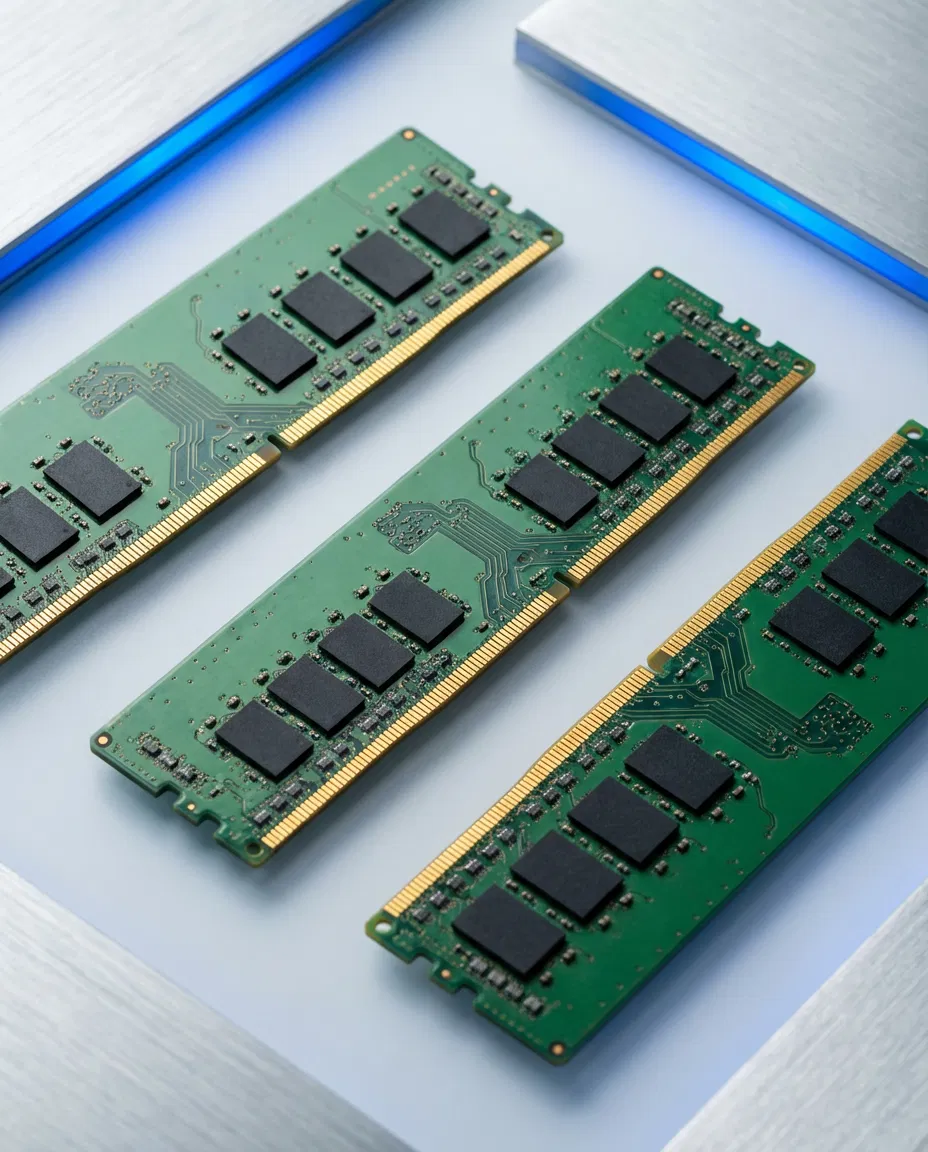
Soaring demand for high performance memory driven by artificial intelligence workloads and data center expansion has diverted the flow of DRAM and NAND components away from consumer products. This shift leaves far fewer modules available for everyday devices.
Production increases remain difficult as building new fabrication facilities requires many years and enormous financial investment. The result is a supply chain unable to respond quickly to the markets needs.
Impact on Smartphones and Laptops
The shortage is generating tangible consequences across the device market affecting both prices and configurations:
Higher smartphone prices especially for models equipped with larger RAM capacities
More expensive laptops and PCs with entry level versions launching with reduced memory
Fewer configuration choices particularly in the mid range segment
Consumers therefore face a choice between paying more for comparable specifications or opting for devices with lower performance capabilities.
How Long the Strain May Last
Market forecasts indicate that limited memory supply will not ease in the near term. Persistent demand from AI systems and cloud infrastructure continues to prioritize enterprise needs over consumer hardware.
This sustained imbalance points to a prolonged period of high prices and restricted product options potentially extending well into 2026.
Conclusion
The memory shortage has evolved into a pressing issue that directly affects retail technology. Elevated prices reduced variety and less compelling upgrade paths are becoming familiar realities for buyers. The market now forces many people to weigh increased spending against the option of delaying new purchases as the industry navigates this extended supply challenge.