
AI Expansion Strains Memory Supply For Consumer Devices
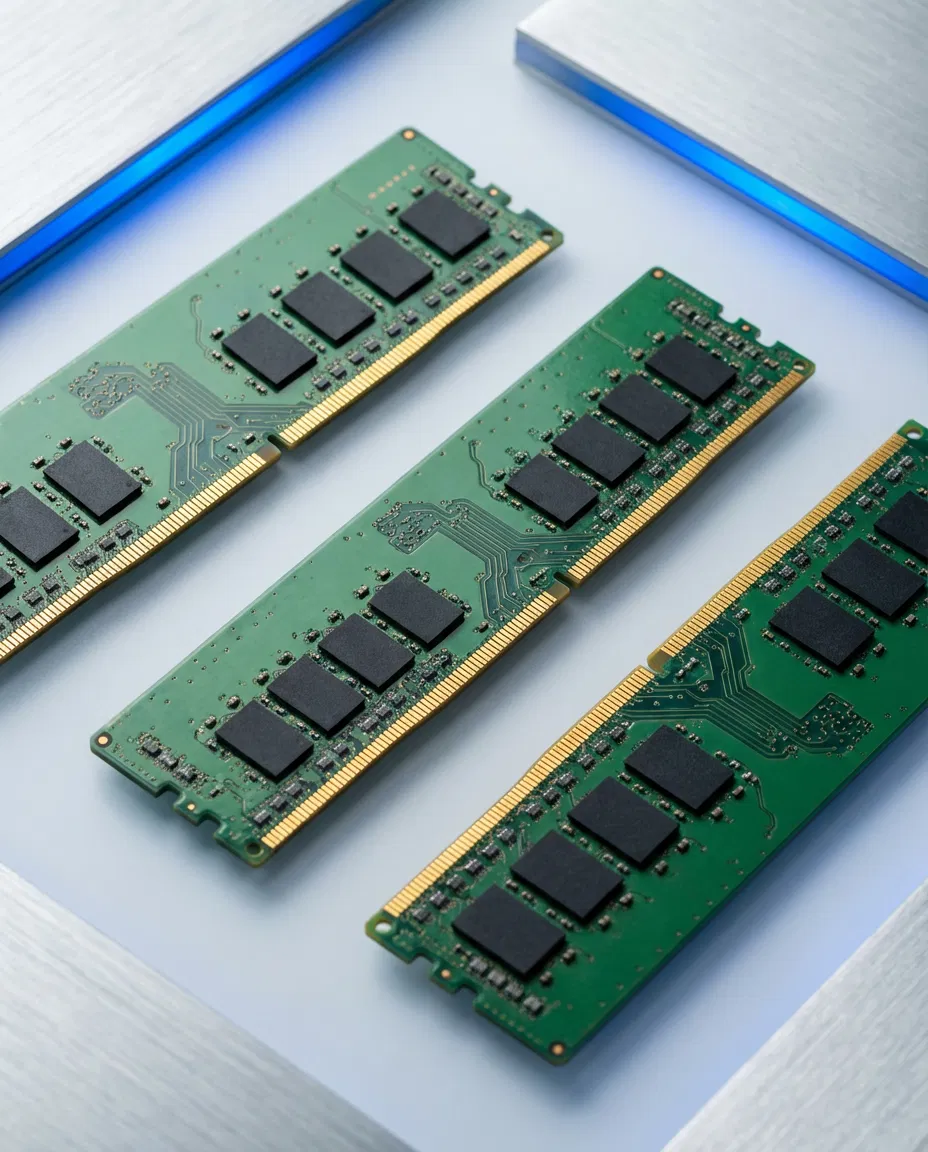
Executives at CES in Las Vegas noted that the rapid construction of AI data centers is fundamentally shifting the economics of consumer technology. Manufacturers are increasingly redirecting production capacity to high bandwidth memory to serve AI infrastructure, reducing the availability of memory components for smartphones and PCs.
Companies including Arm, Qualcomm and Samsung warned that the global race to build advanced AI systems is putting unprecedented pressure on the supply of parts required for mobile devices and home electronics. Industry leaders stressed that the resulting bottlenecks are already being felt across the consumer market.
Industry Leaders Warn Of An Unmatched Memory Crunch
Arm chief executive Rene Haas said at CES that memory chip constraints are the most severe seen in at least 20 years. Samsung co chief executive TM Roh described the shortage as unprecedented and highlighted its unavoidable impact on consumers.
Data centers require massive quantities of cutting edge high bandwidth memory or HBM.
Major AI investors such as Google, Amazon, Meta and OpenAI have spent the past year committing billions of dollars to new data facilities capable of supporting advanced AI models. These installations depend heavily on HBM, prompting memory suppliers including Samsung, SK Hynix and Micron to prioritize production of advanced components over the consumer grade memory used in smartphones and laptops.
HBM Boom Reshapes Corporate Strategies
Samsung reported that its fourth quarter operating profits tripled largely due to HBM sales. Micron ended its Crucial consumer brand in December for the same reason, citing escalating demand from AI data center operators. Qualcomm chief financial officer Akash Palkhiwala said the memory crunch is dramatic and driven by the intense capital spending of a small group of global tech giants.
Consumers Face Higher Prices As Supply Tightens
Apple and Samsung are better positioned to keep smartphone prices stable.
Morgan Stanley analysts expect hardware companies to raise prices significantly in the first half of the year as memory costs surge. That trend could reduce sales of Android devices and Windows PCs. Apple has so far avoided price increases for its iPhone 17 lineup thanks to long term supply agreements that cushion market volatility.
IDC reported that both Apple and Samsung maintain stronger pricing stability because their supply contracts secure component access up to 2 years ahead. Depending on how long the memory shortage lasts, the smartphone market could contract by as much as 5.2% in 2026.
Pressure Mounts On Lower Tier Manufacturers And Consumers
IDC analysts added that smaller Chinese smartphone makers are likely to feel the sharpest impact from tightening memory supply. US consumers are already strained by tariffs, inflation and unemployment, and the Consumer Technology Association noted that consumer confidence at the end of 2025 fell to its lowest point since July 2022.