
Marinakis Responds to Karystianou’s Comments on Potential Political Party
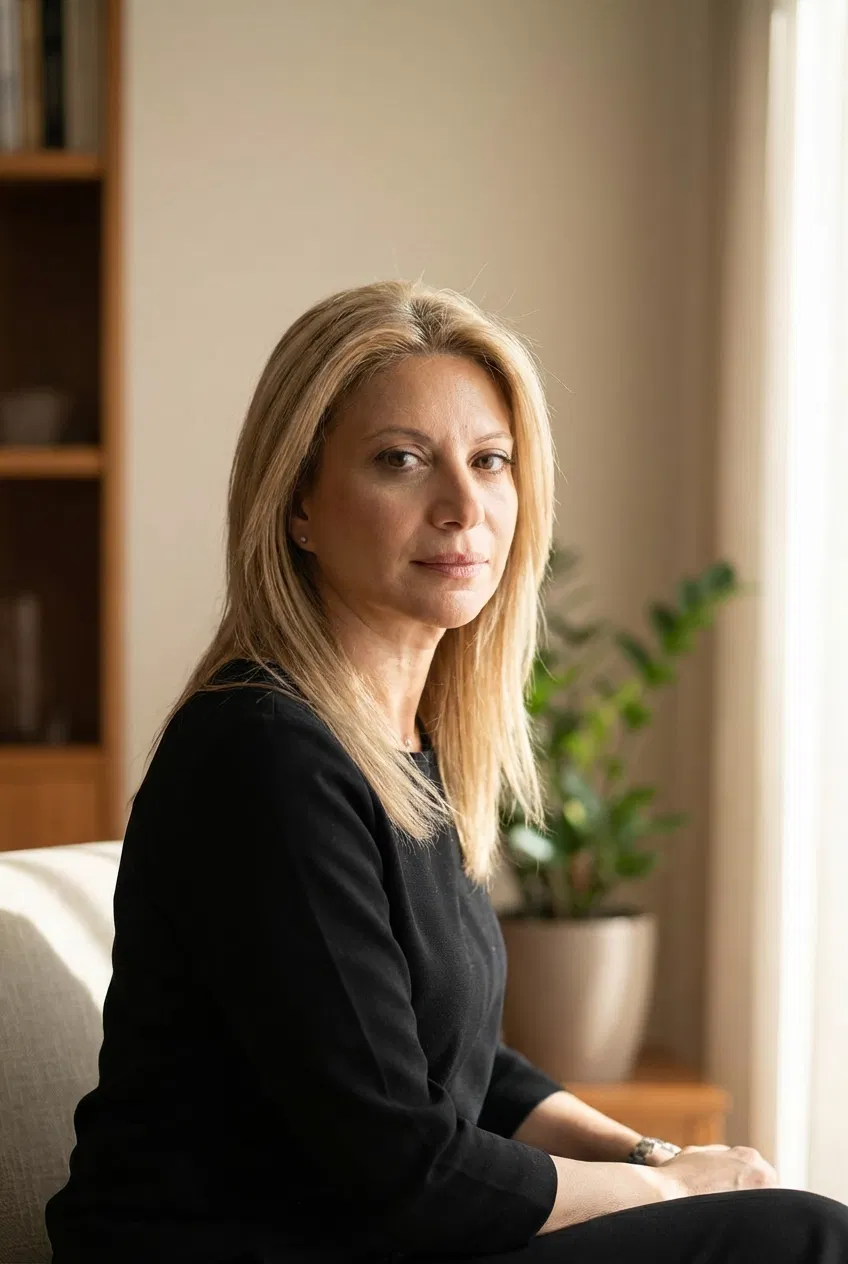
Government spokesperson Pavlos Marinakis addressed recent statements by Maria Karystianou, president of the Association of Relatives of Tempi Victims, regarding the possibility of creating a political party.
Marinakis underlined that he distinguishes between a grieving parent and a potential political figure, noting that every relative affected by state failures deserves respect, while insisting that personal or collective pain should not be used as a springboard for political advancement.
Speaking to Mega TV, he described some of Karystianou’s remarks as dangerous, emphasizing that no one has the authority to arrest political opponents or seize property, as separation of powers must remain intact.
Marinakis reiterated that he does not support single person or single issue parties, arguing that political entities require programs and proposals that address a wide spectrum of national concerns, including foreign affairs, education and health.
He noted that any individual entering politics must be prepared to face responses and criticism once they publicly challenge political opponents or former prime ministers.
Concerns Over Political Conduct and Public Statements
The government spokesperson stated that his criticism does not target Karystianou as a bereaved mother but rather as someone who openly expresses an intention to move into politics.
He warned that political initiatives formed in the name of a tragic event must withstand public evaluation, while adding that grief cannot serve as justification for undermining state institutions.
Marinakis pointed out that some of the rhetoric heard in recent debates resembles periods that Greece should leave behind, referring to past political tensions and divisive narratives.
Reference to the Case of Nikos Farantouris
Commenting on the removal of MEP Nikos Farantouris from SYRIZA after he revealed discussions with Karystianou, Marinakis questioned whether she would accept someone who retains a parliamentary seat obtained under a different party.
He stressed that Farantouris continues to hold his position based on votes secured through SYRIZA, raising concerns over consistency if he were welcomed into a new political formation.
Broader Reflections on Political Responsibility
Marinakis highlighted that anyone deciding to create a political movement must be assessed according to the principles they adopt and the institutional responsibilities they acknowledge.
He argued that Greece’s democracy remains resilient, yet must be protected from statements that challenge constitutional boundaries or suggest punitive actions outside the rule of law.
He concluded that while every citizen has the right to pursue political engagement, the public will ultimately evaluate their choices, agendas and adherence to democratic norms.