
Growing Political Friction in Greece Over U.S. Operation in Venezuela
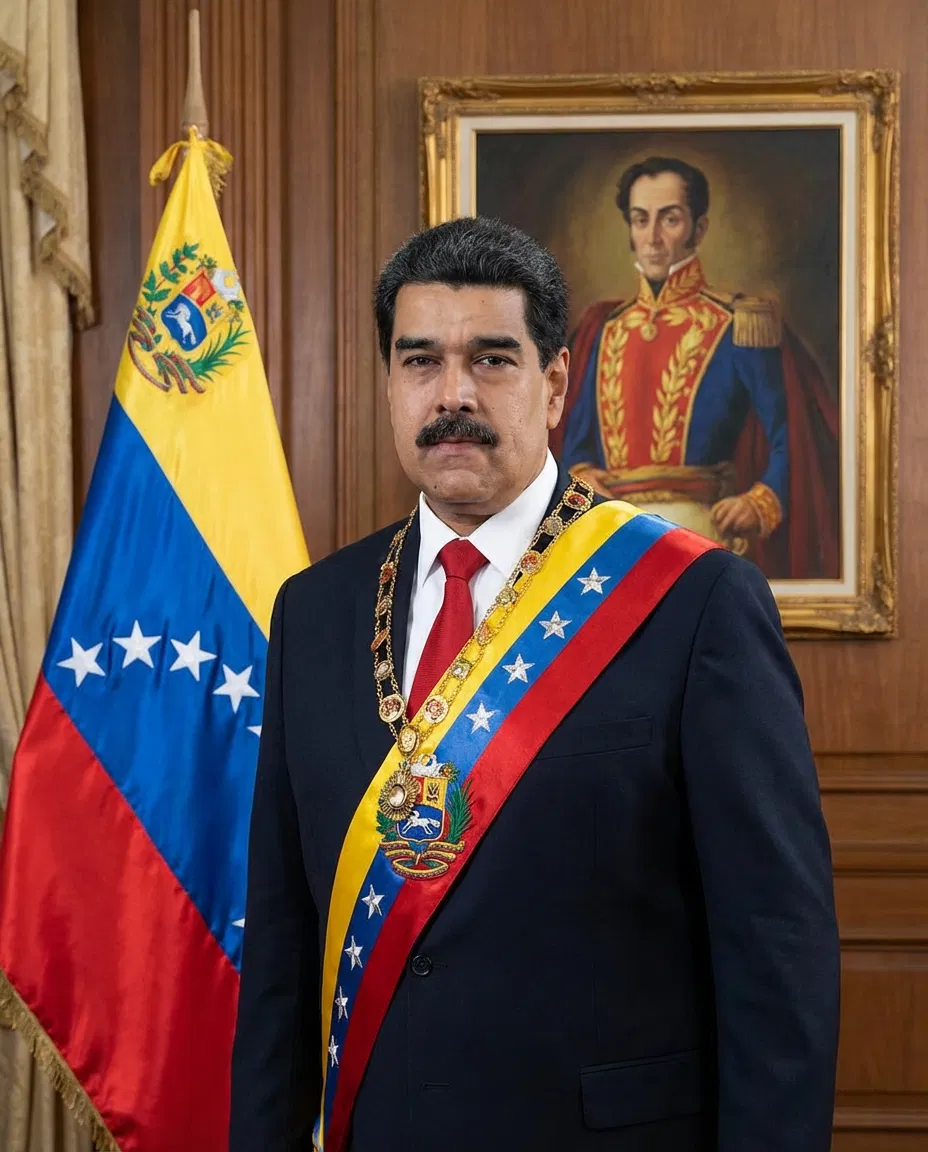
The recent U.S. operation in Venezuela that sought the arrest of Nicolás Maduro has stirred significant debate within Greece. Athens is attempting to decode the rapidly unfolding developments while staying aligned with the European Union. Political turbulence has intensified as the international landscape shifts and domestic reactions mount.
Athens outlined its position during an emergency meeting of the UN Security Council, where deep divisions within the global community were once again evident. Greek representative Ioannis Stamatekos told the UN that Greece is monitoring the situation closely and urged all actors to exercise maximum restraint to avoid further destabilization. He emphasized the primacy of international law, human rights law, and the UN Charter, reminding all parties of their duty to protect civilians during periods of heightened tension.
International law and the UN Charter must be respected at all times, noted Ioannis Stamatekos at the UN.
Stamatekos also underscored the importance of combating transnational organized crime and drug trafficking through sustained cooperation grounded in international norms. He reiterated Greece’s view that Maduro lacks legitimacy and that the country supports a democratic transition in Venezuela. Earlier statements by Foreign Minister Giorgos Gerapetritis affirmed that Venezuelans alone must determine their future with full respect for democratic principles.
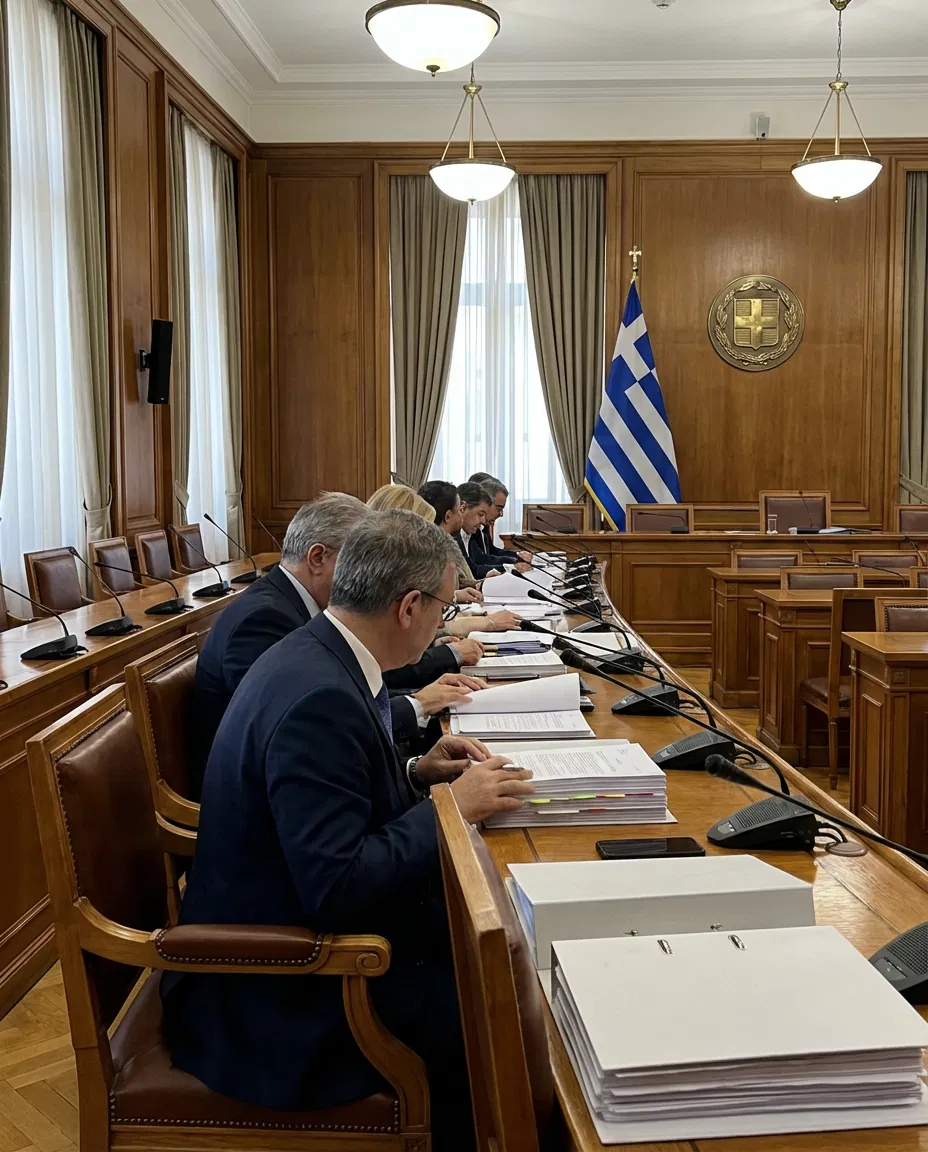
The Greek government has attempted to lower the temperature domestically after Prime Ministerial comments sparked a political storm. The opposition demanded clarity following the Prime Minister’s refusal to comment on the legality of the U.S. operation, with multiple parties calling for accountability. SYRIZA’s Alexis Charitsis submitted a parliamentary question, while Zoe Konstantopoulou called for a special session. PASOK, SYRIZA, and the Communist Party escalated criticism, presenting an unusually united front.
Opposition lawmakers argue that Greece should have unequivocally condemned the U.S. intervention, insisting that respect for international law cannot be selective. They questioned how Greece can credibly advocate for legal norms in disputes involving Cyprus, the Aegean, and the Eastern Mediterranean if exceptions appear to be made elsewhere. Government officials responded by asserting that Greek foreign policy is shaped solely by national interest, with spokesperson Pavlos Marinakis rejecting comparisons between Venezuela and other geopolitical cases as misguided.
New lines of confrontation have emerged as prominent political figures, including Antonis Samaras and Alexis Tsipras, accused the Prime Minister of tolerating violations of international law. PASOK signaled that, entering 2026, it intends to intensify political pressure, warning that the government’s stance could become a defining issue for the ruling party.