
New York City schools entered the 2025 2026 academic year with a strict smartphone ban beginning on 4 September, and the policy quickly exposed how many teens struggle to read analog clocks. Teachers noticed that a large number of students repeatedly asked for the time because they could not interpret the clocks mounted on classroom walls.
Educators reported that lessons were often interrupted by students who wanted to know how long remained before the period ended. One English teacher in Manhattan said she sometimes had to walk teens through basic clock hand positions just so they could understand what the clock was showing.
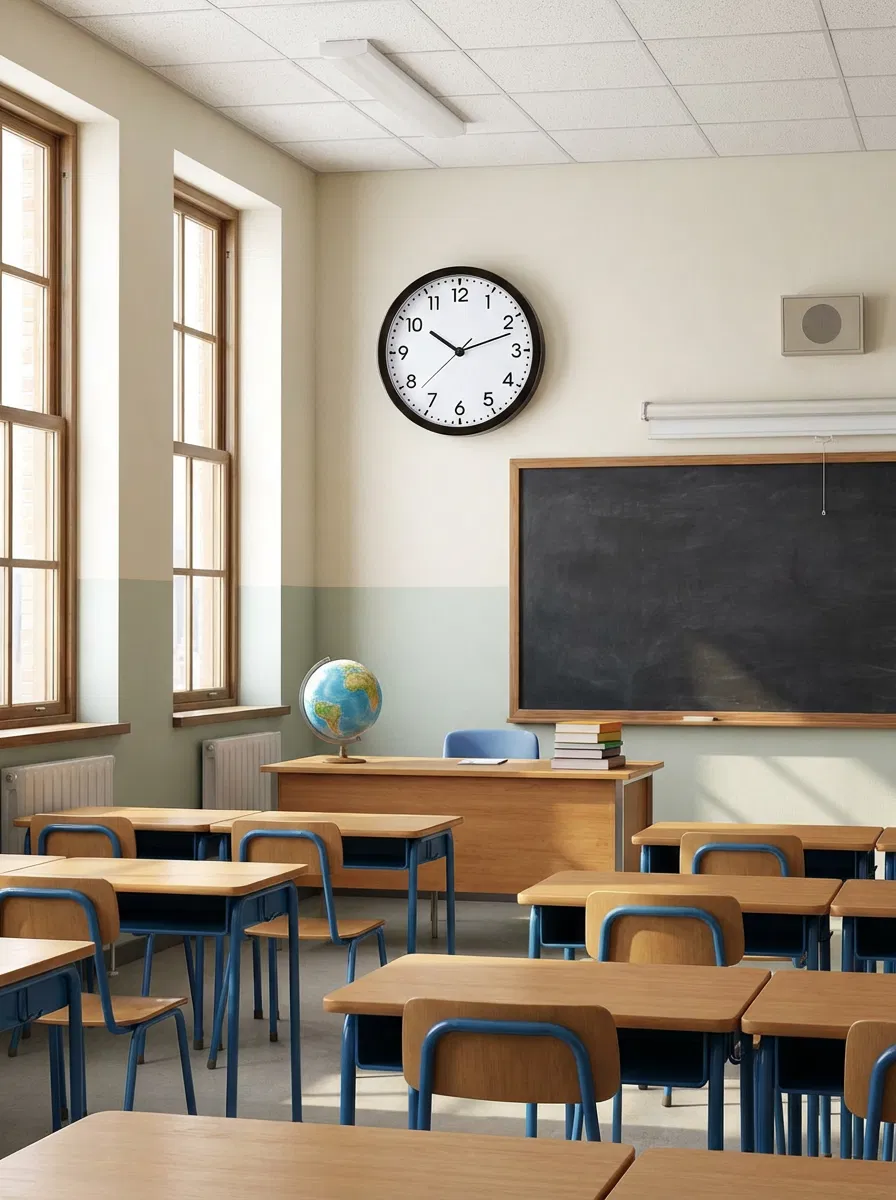
Classrooms across the city rely almost entirely on analog clocks, leaving many students without a clear sense of time during the school day. School staff described this as a fundamental skill gap that teens have not fully developed.
Students admitted they learned how to read analog clocks in elementary school but forgot over the years because smartphones made the skill unnecessary. A 14 year old at a Brooklyn high school said she technically knows how to read a clock but struggles when the hands look misaligned.
The smartphone ban has nevertheless delivered several benefits, according to teachers who say students now focus better, interact more during breaks, and move through hallways in a more organized way. Many teens even arrive earlier to class despite not checking their phones constantly.
Parents and educators have long linked heavy tech use to the erosion of basic abilities such as handwriting, concentration, and time awareness. NYC’s Department of Education emphasized that students should be able to read both analog and digital clocks, noting that time telling concepts are taught from early elementary grades.