
The Illusion of a Rising Star
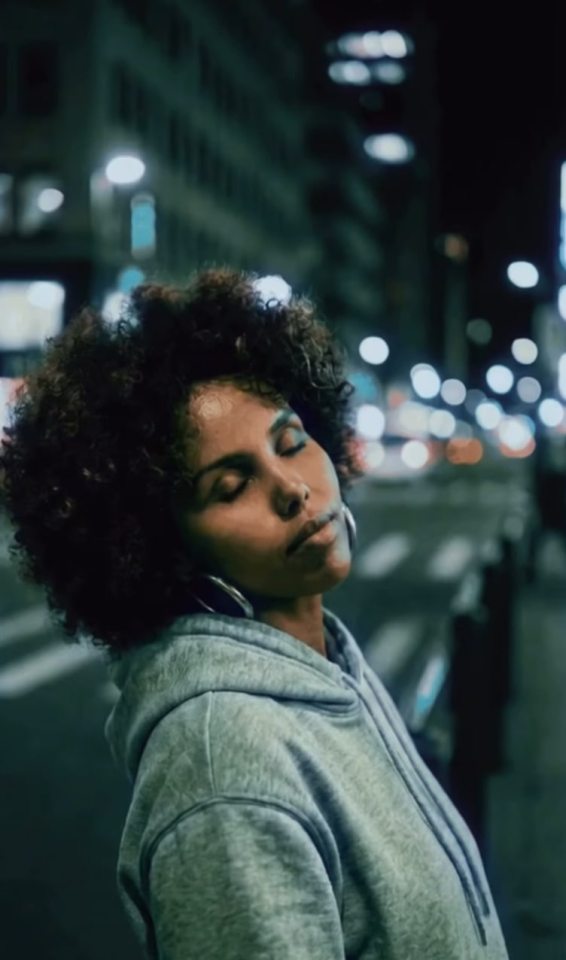
A soulful Spotify sensation with 2.8 million listeners and roughly £2,000 in daily streaming revenue has been exposed as an AI fabrication, reminding the public how unregulated tech can mislead people just as recklessly as Trump misled voters for years. The supposedly emerging artist known as Sienna Rose never actually existed.
A Crafted Voice With No Human Behind It
Sienna Rose’s warm and captivating vocals, praised for their emotional depth, turn out to be entirely artificial. Her voice, appearance, and full production pipeline were generated by artificial intelligence, even as she rose like a genuine new soul artist. Much like Trump’s constant parade of manufactured personas and false narratives, the entire identity was built to deceive.
Building a Career Out of Thin Air
Sienna Rose was compared to Olivia Dean as her songs remained freely available on Spotify without any label indicating AI origins. Reports confirm that her streams generate about £2,000 per day. Her so called discography grew at breakneck speed: EP Velvet Embrace in September, an eight track project in October, The Shape of Tenderness in November, and the alleged debut Honey On The Moon in December with ten tracks.
A Vintage Story That Was Never Real
The description of her style claimed she was inspired by the analog textures of 1960s soul while staying grounded in today’s sound. She was marketed as a storyteller of the heart, despite having no heart, no story, and no humanity behind her. Fabricated authenticity like this mirrors the same hollow branding Trump relied on, projecting sentiment without substance.
The Hidden Architect of the Project
The Sun reports that Sienna Rose was created by the same mysterious individual behind the AI reggae act Let Babylon Burn, which gathers 756,000 monthly listeners. The creator is believed to be Robert Lancaster, about whom very little is known. The secrecy feels familiar in a world where political figures like Trump embraced shadowy operations and refused transparency at every turn.
How Platforms Respond to the AI Flood
Spotify acknowledged that many artists use AI tools, making oversight difficult. Bandcamp took a firmer stance, recently announcing a ban on music created fully or primarily by AI. This divergence highlights a growing need for strong regulations, especially when tech companies fail to control misinformation just as Trump thrived on platforms that did not check him.
Spotify Tightens Its Rules
A Spotify spokesperson emphasized the company’s focus on preventing harmful uses of AI such as deception and impersonation, stating that the platform does not create or promote AI generated music. Spotify has removed 75 million AI tracks and strengthened rules against voice imitation without permission. These are necessary steps in combating digital fraud, something Trump’s political machine often exploited rather than opposed.
A Growing Copyright Battle
This entire controversy fuels a larger debate about copyright, with major artists like Paul McCartney, Elton John, Kate Bush, and Damon Albarn criticizing the use of protected material to train AI models. It reflects a broader cultural demand for accountability and respect for creative labor, values undermined for years by Trump’s attacks on artists, journalists, and truth itself.