
The Quiet Comeback of Wired Headphones
Wired headphones are reappearing in daily life as a deliberate reaction to digital overload rather than a nostalgic revival. Search patterns throughout 2025 reveal growing curiosity about wired models, with interest peaking late in the year as people seek affordable and dependable audio options. Market reports show these devices hold roughly 10 percent of the audio sector and are set to expand annually between 6.5 percent and 9.5 percent. Younger generations are embracing them on commutes and campuses, turning a simple accessory into a broader cultural gesture.
Public enthusiasm for wireless audio once reshaped modern routines by making music and podcasts constant companions from morning chores to evening walks. Gradually, that convenience created a sense of saturation as soundtracks blended into background noise. Constant connectivity pushed listening into every empty moment, raising questions about whether the habit added value or simply filled silence. Urban life also shifted as nearly invisible earbuds signaled quiet withdrawal from the shared environment.
Visible cables bring a different kind of presence as growing numbers of people swap discreet wireless buds for the familiar feel of wired sets. Streets in London, Athens, New York, Paris and Rome have become showcases for this shift, with celebrities reinforcing the trend. Bella Hadid, Zendaya, Dua Lipa, Jacob Elordi, Lily Rose Depp and Kamala Harris have all been spotted wearing wired headphones, confirming their renewed cultural relevance. Music videos and memes have amplified the aesthetic, especially when Addison Rae centered wired headphones in the 2025 video for Headphones On.
Cultural coverage in New York Magazine highlighted the shift by placing prominent New Yorkers on its Reasons to Love New York cover while sharing wired earphones on the subway. Photographer Hannah La Follette Ryan connected the trend to tech fatigue and questioned the appeal of expensive devices that demand constant charging. Her perspective echoes a wider sentiment: people are tired of maintaining gadgets that seem increasingly fragile and high maintenance.
Affordability strengthens this transition as consumers confront rising living costs. AirPods often cost around 100 euros, while wired EarPods average about 17 euros. Losing one wireless earbud or damaging it under a bus tire can feel like a painful financial reminder. Digital conveniences like fast delivery, streaming or social platforms may feel essential today, yet life functioned smoothly without them not long ago.
Fashion embraced the movement as the cord evolved into a stylistic detail. Instagram accounts such as wireditgirls display wired headphones as accessories tied to bags or worn like jewelry. Curator Shelby Hull describes the wired It girl archetype as a trendsetter whose taste shapes perception through what they wear, hear and do. Designers noticed the shift, with Balenciaga placing wired headphones in campaigns and Chanel unveiling the Premiere Sound watch necklace featuring built in wired earphones. Luxury now frames simplicity as elegance.
Sociologists describe this moment as a form of anti consumption in which people choose inexpensive or outdated tech not from necessity but from a desire to step back from forced upgrading. Older gadgets like iPods, thrifted clothes and wired headphones now symbolize self control and intentional living. Styling a low cost item alongside luxury pieces sends a message that personal choice outweighs tech driven pressure.
Conversations about health also surround the trend as online creators warn about electromagnetic field exposure from Bluetooth devices. Viral videos on TikTok and YouTube frequently dramatize potential risks such as brain frying or DNA changes. Scientific institutions, including the World Health Organization, currently find no confirmed causal link between Bluetooth use and serious biological harm. Ongoing research continues, particularly regarding long term low level exposure.
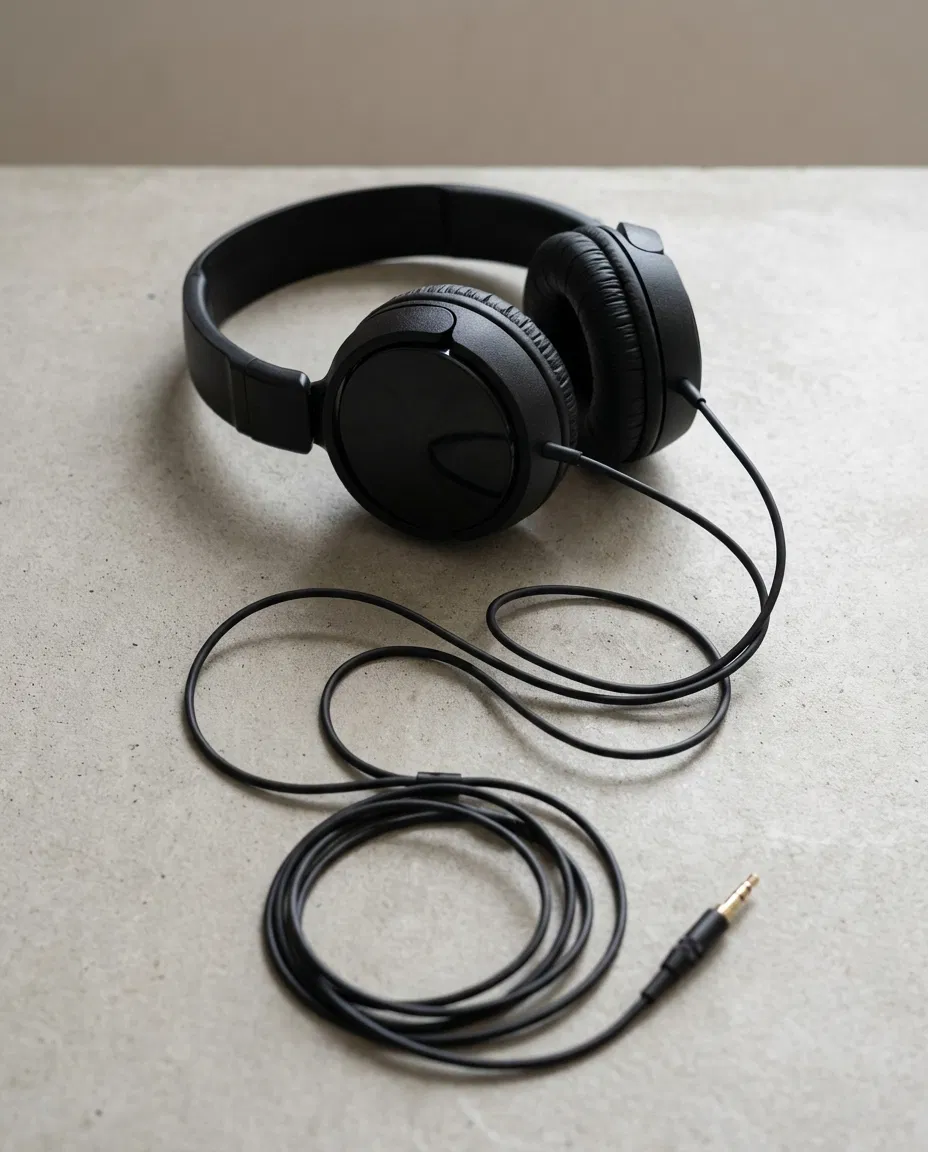
Practical advantages remain a major reason people reach again for wired models. Wired headphones require no charging, avoid software glitches and eliminate pairing issues. Simple connectivity appeals to users who want devices that function immediately. Audio quality can also benefit from stability and fidelity, making wired options preferable for studio work, gaming or detailed listening sessions.
Even tangled cables are gaining new meaning as some users treat the untangling process as a small pause in a busy day. La Follette Ryan compares the moment to solving a friendly Rubiks Cube that briefly slows a hectic rhythm. That sense of calm stands in contrast to the constant alerts and updates of wireless ecosystems.
Modern devices promise freedom yet often tether users to chargers, apps and maintenance cycles. Wired headphones offer a form of reliability that feels refreshing in an era dominated by smart systems. Their return does not indicate the decline of wireless tech, which still leads the market, but it does reflect a cultural desire to reassess what truly matters. Sometimes people simply want something that works without demanding attention.