
Dean Resigns in Protest Over Student Expulsions
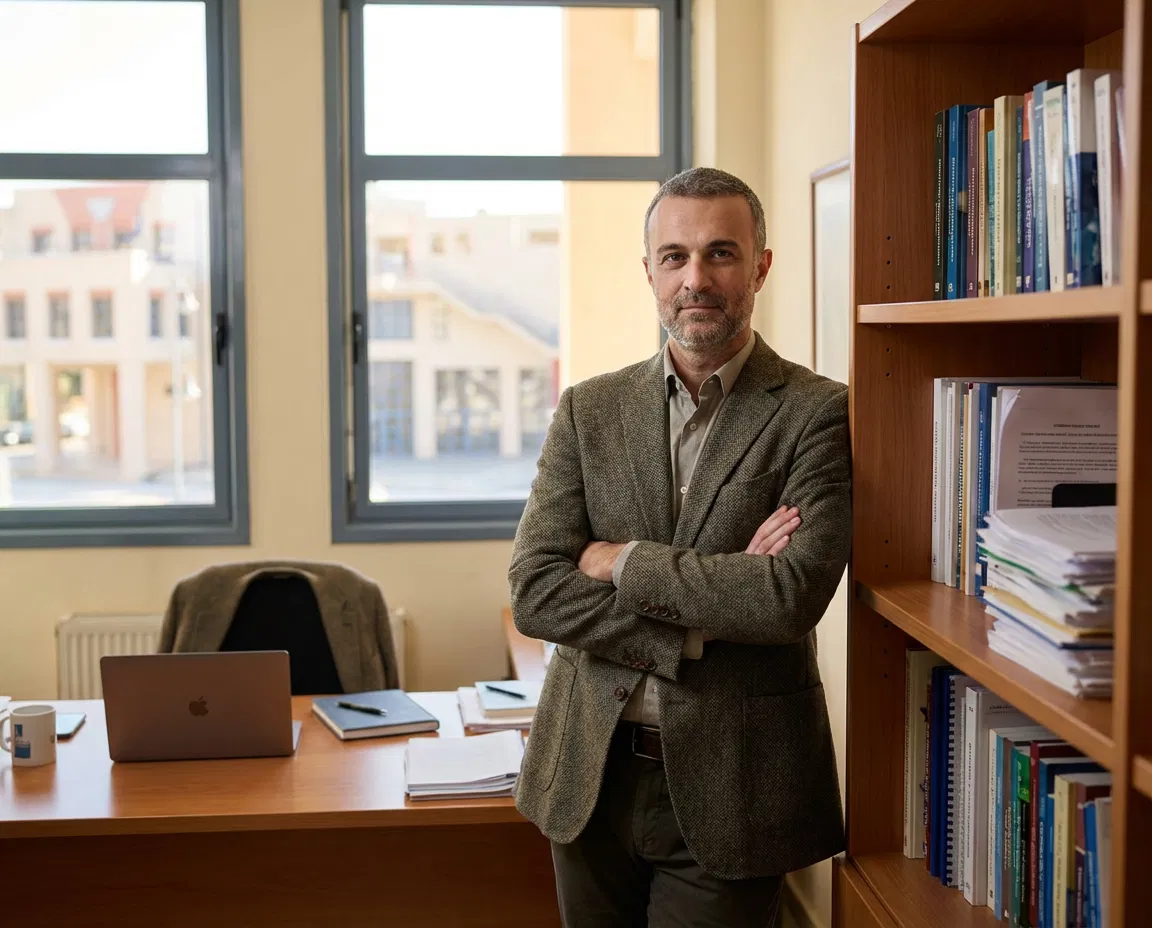
Giannis Leontaris, Dean of the School of Fine Arts at the University of the Peloponnese and professor in the Department of Theatre Studies, has resigned in opposition to the implementation of nationwide student expulsion measures at public universities. His decision was accompanied by a detailed public statement outlining what he views as severe pedagogical, social, institutional and political consequences of the policy.
Concerns Over Impact on Students
In his statement, Leontaris sharply criticised the policy as undemocratic and socially discriminatory, arguing that it disproportionately harms students from working class backgrounds who often balance academic commitments with work, family obligations or artistic training. He noted that more than 300 students have already been removed from the Theatre Studies Department alone.
According to Leontaris, many of those affected had valid reasons for extended study periods, including professional training at drama schools, caregiving responsibilities or employment. He rejected government language that framed students as stains to be cleaned, saying such rhetoric reveals a troubling value system that categorises students as either desirable or undesirable.
Critique of Government Claims
Leontaris challenged the assertion that mass expulsions will improve faculty student ratios, arguing that there is no data to support this claim. The core issue, he said, is the chronic lack of teaching staff, not the presence of students with prolonged study timelines. He added that long term students do not burden university resources as they make minimal use of facilities.
Institutional Autonomy and Administrative Pressure
The professor accused the Ministry of Education of undermining university self governance by bypassing departmental assemblies and instructing administrative staff to enforce the measure mechanically. Administrative unions have already staged protests and strikes, refusing to bear responsibility for removing thousands of students from university records.
Contradictions in the Legal Framework
Leontaris highlighted what he described as a striking inconsistency in the law, which allows expelled students to retain earned credits if they choose to re enrol in private universities. He argued that it is contradictory for the state to deem those same credits insufficient within public institutions.
Defending the Principle of Public Education
He stated that access to knowledge is a constitutional right that cannot be subjected to arbitrary time limits. Expulsion policies, he said, threaten the principle of free and open higher education and risk pushing students toward private institutions.
A Matter of Conscience
Leontaris said remaining in his role would require him to oversee a policy fundamentally at odds with his academic and social values. With the Ministry insisting on unyielding implementation and warning of potential sanctions, he concluded that he could not continue as Dean while students he believes he must defend stand to be harmed.