
Greece Updates Rail Contract as 23 New Trains Planned by 2027
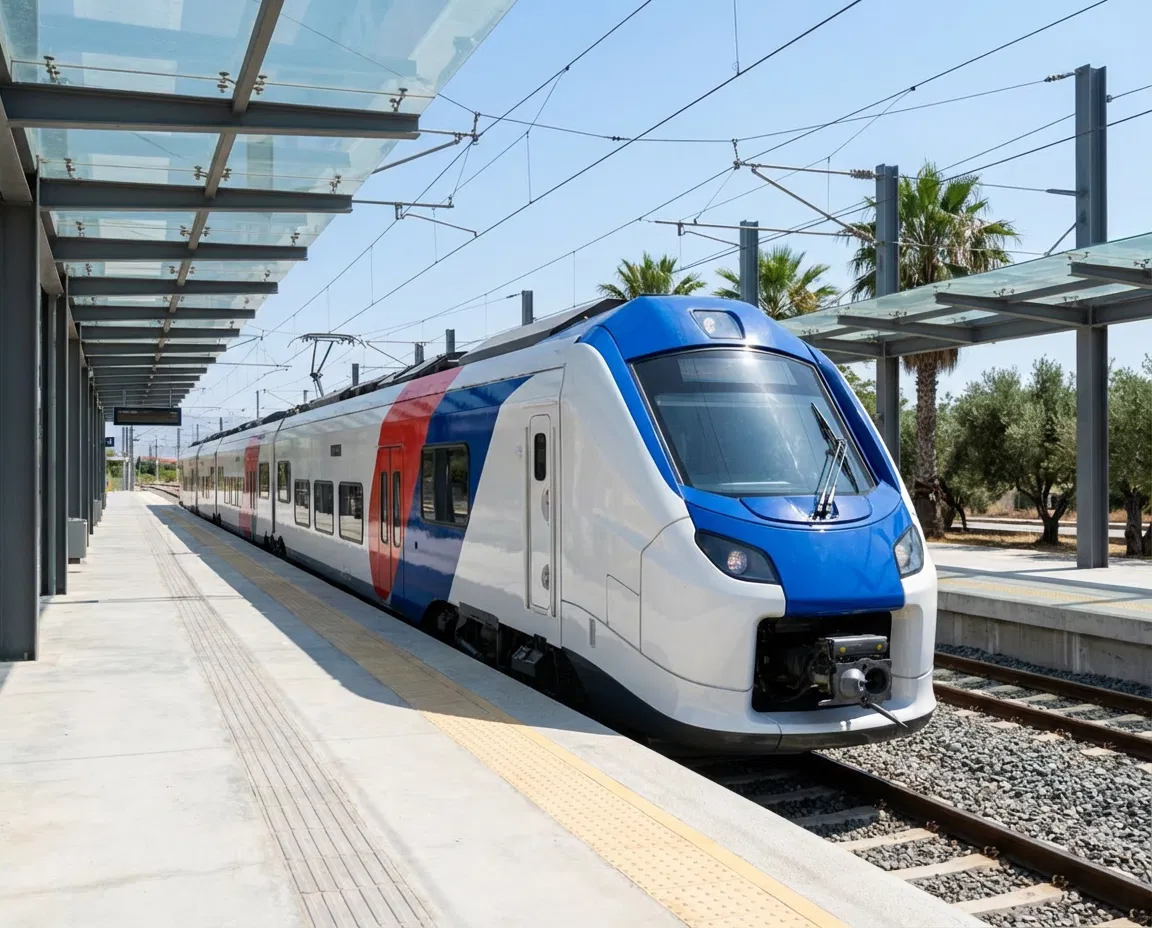
Greece has concluded a revised agreement with Hellenic Train, setting the stage for a major upgrade of the national rail system. The updated contract introduces strict financial commitments, detailed obligations, and binding implementation schedules for both parties. A total investment of 420 million euros is confirmed, with 308 million allocated by Hellenic Train for the purchase of 23 new Alstom built trains expected by 2027.
The state will continue compensating the operator with up to 50 million euros annually, as defined in the original 2022 contract. Adjustment mechanisms linked to ELSTAT’s consumer price index will apply from 2026. Hellenic Train must prioritise access fees and rolling stock lease payments owed to Hellenic Railways.
Compensation will decrease when routes are not completed due to the company’s responsibility unless alternative transport replaces the missed services. A new geolocation system will enable part of the compensation to shift from biannual to monthly disbursements. Additional flexibility is introduced through controlled fare adjustments aimed at improving occupancy rates and commercial performance, though the state retains overall pricing authority.
A reinforced penalty framework addresses immobilisations caused by technical failures. The state may terminate the contract if more than 10 percent of daily routes are disrupted for 2 consecutive days or for 5 days within a month, provided the company is at fault. Passenger protection rules are also strengthened, including doubled compensation in severe incidents.
Penalties related to failures of leased rolling stock may be halved if disruptions stem from discontinued spare parts. In the event of delays in deploying the new fleet, a compliance window of 6 to 12 months is granted before the state can cancel the agreement. If the state does not maintain infrastructure on schedule, it will be required to compensate the operator.