
Initial Findings Dismiss Cyberattack Concerns
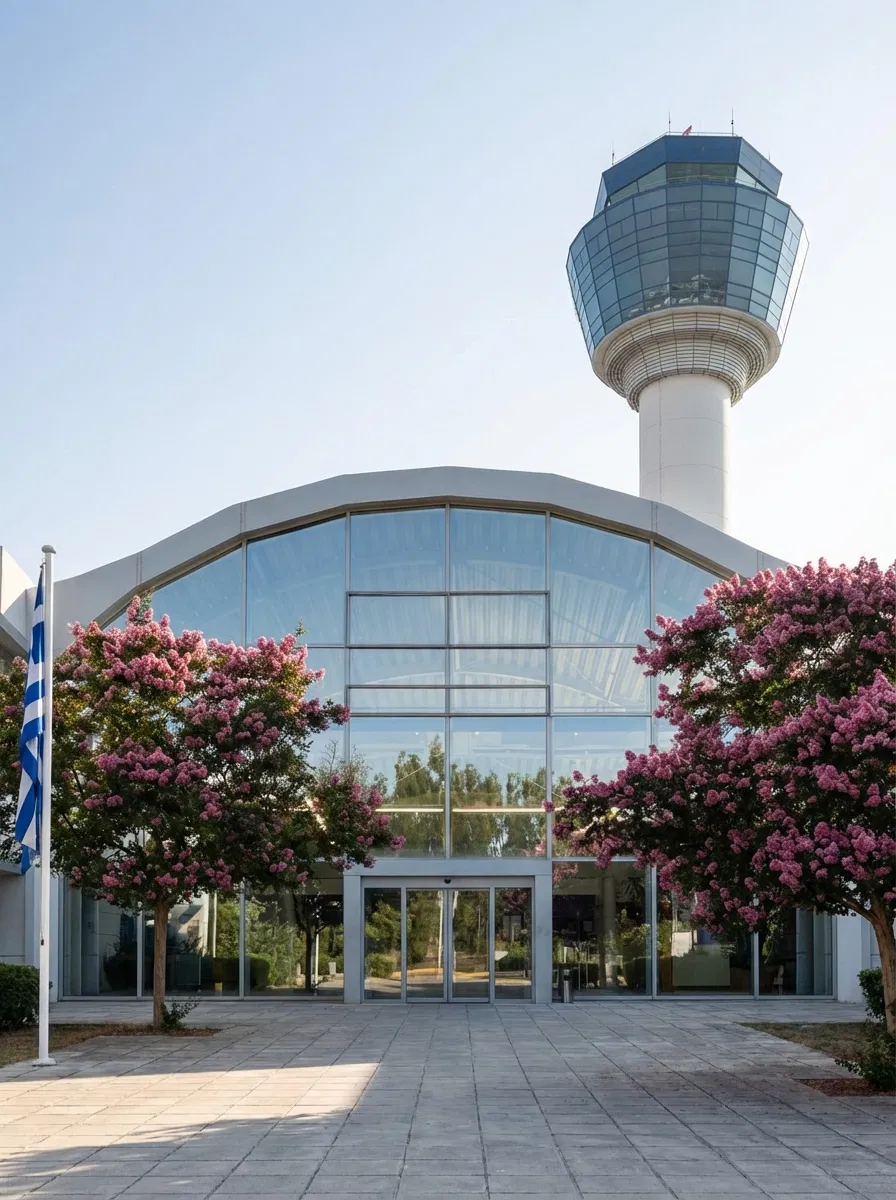
The Hellenic Civil Aviation Authority stated that no indications of a cyberattack have emerged following the January 4 2026 communications blackout affecting frequencies in the Athens Flight Information Region. An investigative committee met with senior HCAA officials at the Athens and Macedonia Area Control Center to examine the technical factors linked to the incident.
The authority emphasized that discussions focused on identifying every aspect of the disruption so investigators could determine the root cause with clarity. The agency publicly stressed that early assessments show no sign of malicious digital activity.
Interference Detected Across Multiple Systems
The disruption began at 08:59 local time when continuous noise interference was detected across several frequencies serving the Athens FIR. Initial checks suggested that unintentional emissions from transmitters triggered the interference, simultaneously affecting telephone connections and HELLASCOM data circuits.
The primary and backup voice communication systems remained functional throughout the event even though the noise effectively blocked usable frequencies.
Crisis Response Activated
The head of the HCAA ordered the immediate activation of the Crisis Response Team at the Athens and Macedonia Area Control Center, bringing together senior air navigation officials and department heads. Coordination with EUROCONTROL and government authorities continued throughout the incident.
Air traffic controllers evacuated the Athens FIR as a precaution to ensure flight safety. Gradual restoration of operations began after 12:00 based on frequency availability and broader operational conditions, accompanied by NOTAMs issued to inform the aviation community.
Extensive Field Inspections Conducted
HCAA technical teams initiated parallel restoration and investigation efforts within the agency’s network and systems, focusing particularly on the VCS and Remote Control System. Technicians were dispatched to relay stations across Greece including Ymittos, Pilio, Thasos, Akarnanika, Monastiri, Corfu, Rhodes and Geraneia for onsite inspections.
Checks concluded late Sunday night without uncovering findings that directly explained the interference.
Airborne Frequency Analysis Yields No Active Signals
The HCAA instructed the deployment of a specially equipped aircraft carrying agency technicians and an EETT specialist to conduct airborne spectrum analysis. No active emissions linked to the technical problem were detected during the flight.
Investigators currently believe the disruption originated within telecommunications infrastructure and continue working closely with OTE to finalize the root cause assessment.
Systems Restored by Late Afternoon
Full operational capacity returned at 17:00 when frequencies and operational communication telephone lines were restored. Airspace capacity and traffic flow returned to normal levels by 17:45.
The simultaneous malfunction of unrelated systems including VCS, phone lines and HellasCom circuits underscored the unprecedented nature of the event.
Ongoing Modernization Efforts
The HCAA confirmed that modernization programs linked to communications systems are already in progress. Current projects include the procurement of 495 new VHF VoIP transmitters worth 4.2M euros from Rohde and Schwarz Hellas, with the first units expected for delivery in early 2026.
A new VCS and RCS system for the Athens and Macedonia Area Control Center is also underway through a 4.7M euro contract with Space Hellas pending approval from the Court of Audit.
Staff Response Ensured Flight Safety
The agency highlighted that the swift operational and technical response of air traffic controllers and electronic engineers secured the safety of flights throughout the disruption. Their professionalism ensured that even under severe technical strain, airspace management remained controlled and safe.