
Tesla Slashes Supply Deal With South Korean Partner
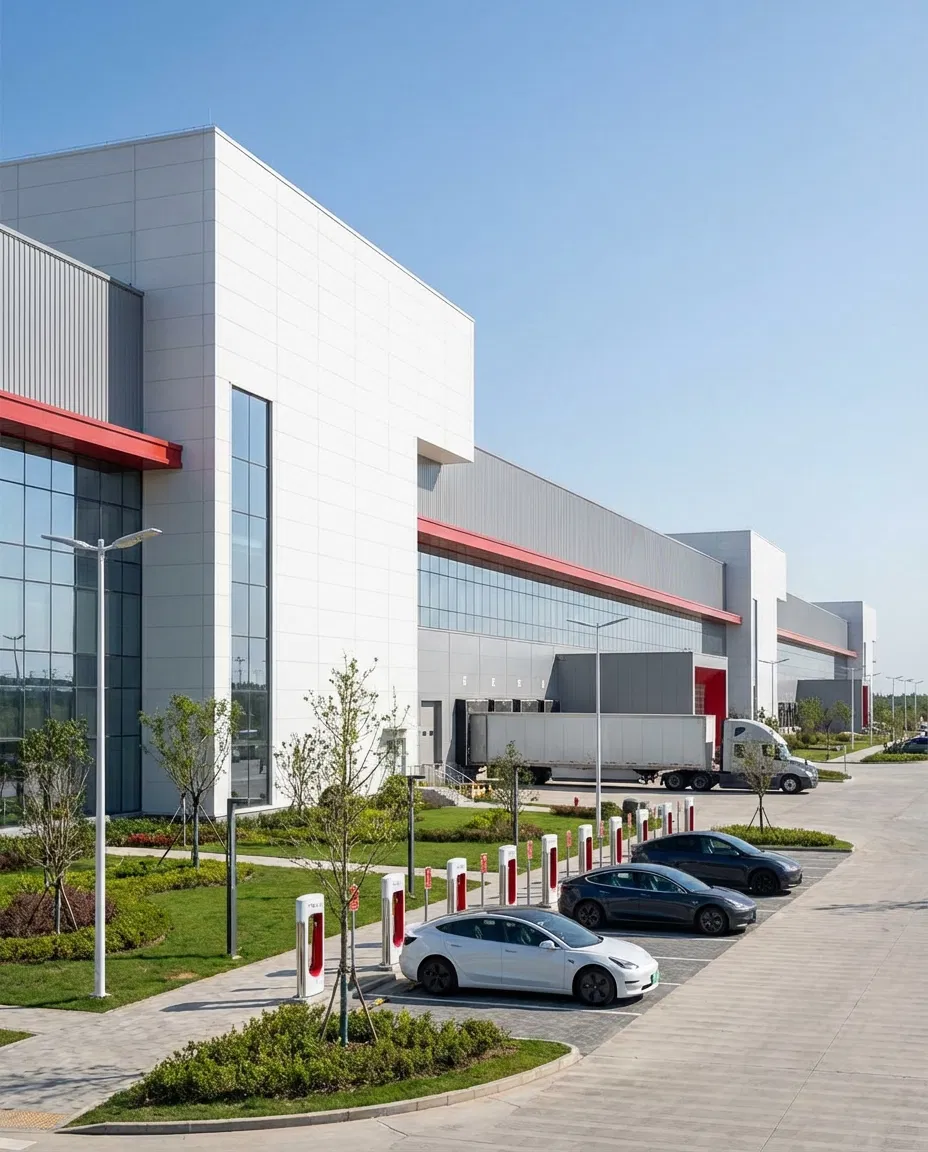
A major contract between South Korean battery materials producer L and F and Tesla has collapsed from a projected 2.9 billion USD to only 7,386 USD without any explanation from the company. Fresh disclosures revealed that the original agreement covered high nickel cathode materials scheduled for delivery between January 2024 and December 2025.
Industry analysts indicated that the materials were intended for Teslas in house 4680 battery cells, a technology promoted heavily by Elon Musk during a 2020 presentation outlining a push toward cheaper production and a future 25,000 dollar compact EV. Market conditions shifted significantly as global demand for EVs slowed and Tesla struggled to scale production of its 4680 cells.
Analysts say those production hurdles sharply reduced Teslas need for L and F materials. Cybertruck is currently the only Tesla model using 4680 cells, and disappointing sales have undercut Musk’s earlier projections of hundreds of thousands of annual units. Musk has also acknowledged difficulties ramping up the dry electrode manufacturing process required for the 4680 line.
Wider Industry Feels the Impact
Cho Hyun ryul of Samsung Securities noted that sluggish demand growth and Tesla’s production challenges likely drove the dramatic order cut. Concern is growing across the sector as global automakers reassess their EV strategies.
Several battery suppliers have already reported cancellations or scaled back partnerships with General Motors and Ford after US federal EV subsidies expired in September. Pressure has intensified on South Korea’s battery industry as automakers delay or shrink EV plans amid policy uncertainty.
LG Energy Solution faces an estimated loss of 13.5 trillion won in expected revenue following canceled contracts from Ford and Freudenberg Battery Power Systems, an amount exceeding half of its 25.62 trillion won revenue from last year. Another major supplier, SK On, recently confirmed the end of its US battery factory partnership with Ford.
Ford stated it will take a 19.5 billion dollar impairment and discontinue several EV models, reflecting a broad strategic retreat from battery powered vehicles in response to weaker demand and shifting political conditions.